From tranquil garden courtyards to grand urban plazas, water fountains have always been far more than mere decoration. The rhythmic sound of flowing water acts as a natural magnet, creating an environment of calm, beauty, and emotional comfort.
Whether you are a landscape designer, a hotel owner, or a homeowner, understanding the symbolism behind a water feature is key to selecting a piece that resonates with your space’s soul.
In this blog, we will explore the profound meanings of fountains through the lenses of culture, spirituality, and spaces, and other angles—helping you choose a landmark that perfectly reflects your vision.
Quick Answer
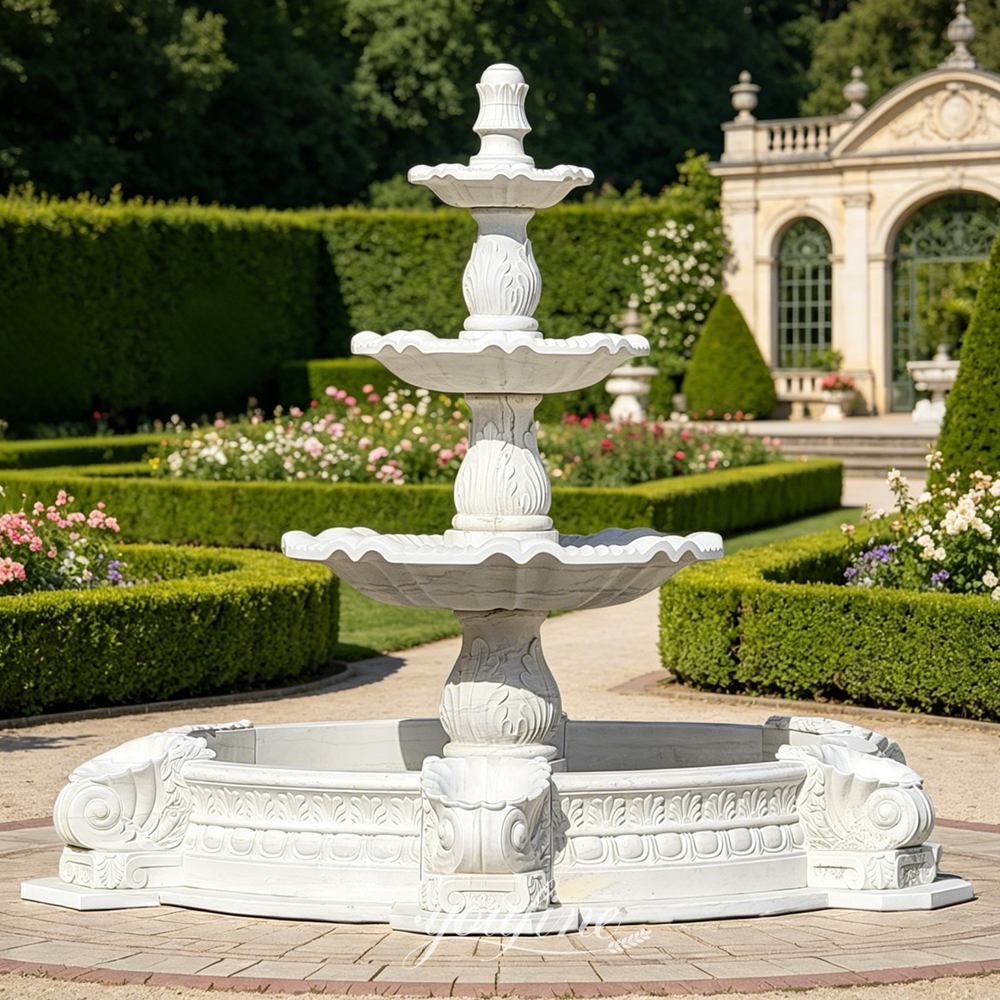
A fountain commonly symbolizes life, renewal, peace, prosperity, and continuity. Across different cultures, flowing water is associated with emotional balance, abundance, spiritual cleansing, and harmony with nature.
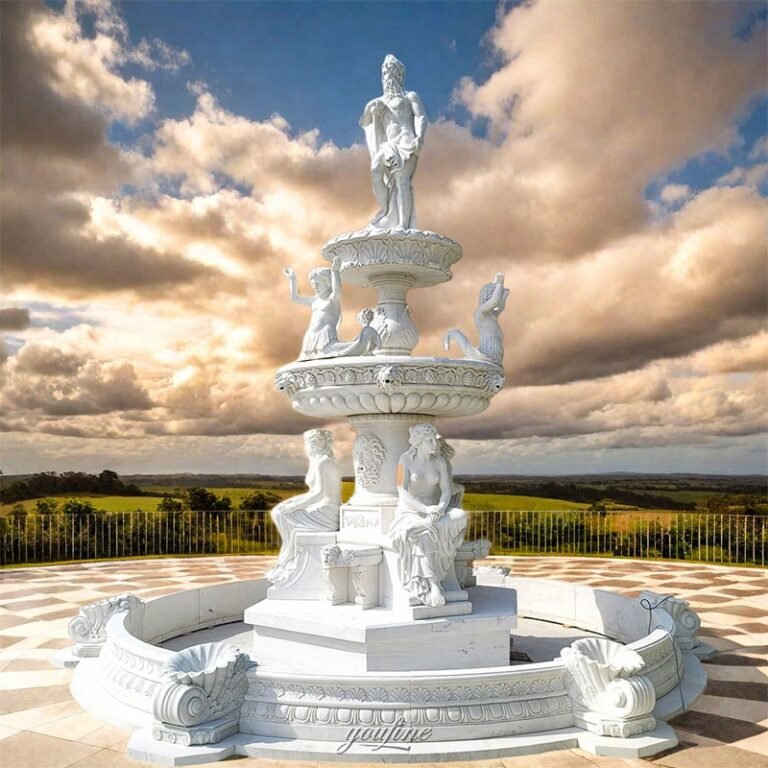
The meaning of a fountain can also change depending on its design and location. A garden fountain may symbolize relaxation and tranquility, while a grand public fountain often represents culture, prestige, and civic identity.
The Core Symbolism of Fountains
Although fountain styles vary across cultures and historical periods, several symbolic meanings appear consistently throughout history.
Life and Vitality
Because water is essential for survival, fountains have long symbolized life, growth, and vitality.
In ancient civilizations, public fountains provided access to fresh water and became important centers of daily life. As a result, fountains were often seen as symbols of nourishment, prosperity, and the continuation of life.
Even today, adding a fountain to a landscape can make a space feel more alive and connected to nature.
Prosperity and Abundance
Throughout history, fountains have also symbolized wealth and abundance.
In royal palaces and historic cities, elaborate fountains demonstrated engineering skill, access to water, and social power. Large fountains became visual expressions of prosperity and prestige.
Modern hotels, resorts, and luxury estates still use fountains to create a feeling of elegance and success.
Continuity and Eternity
The endless movement of flowing water naturally symbolizes continuity and the passage of time.
Unlike still objects, fountains are constantly moving, which is why they are often associated with eternity, renewal, and the ongoing cycle of life.
In mythology and literature, fountains frequently appear as symbols of wisdom, immortality, and hidden knowledge.
Spiritual Meaning of a Fountain
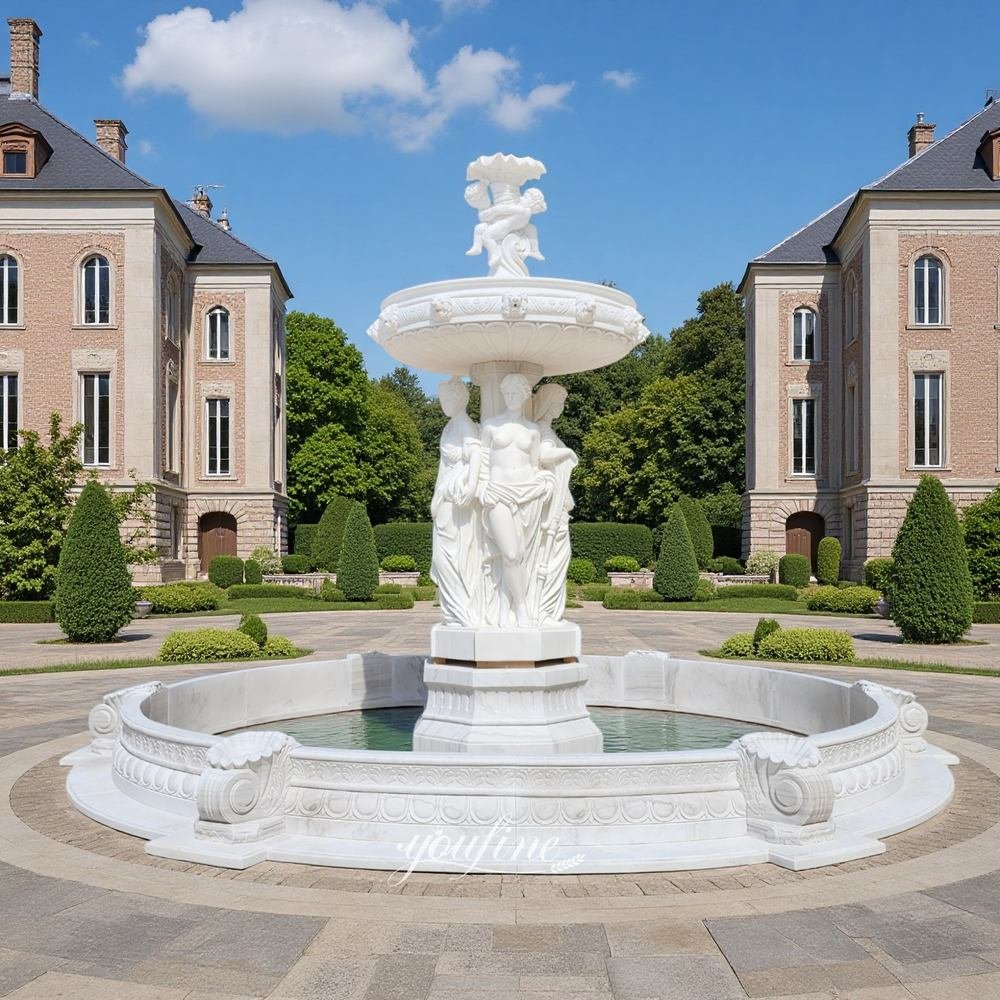
Beyond beauty and decoration, fountains have long carried deep spiritual meaning in many religious traditions.
Flowing water is often seen as a symbol of purification, renewal, and the connection between the physical and spiritual world. Because water continuously moves and renews itself, fountains naturally became associated with cleansing, healing, and rebirth.
In Christianity, fountains and holy water features are closely connected to baptism, a sacred ritual symbolizing spiritual cleansing and the beginning of a new life. Baptismal fountains in churches represent purification from sin and spiritual renewal through water.
Fountains are also commonly associated with peace, reflection, and emotional restoration. The gentle sound of moving water creates a calming atmosphere that encourages meditation, prayer, and inner balance.
Because of these meanings, fountains are often placed in spaces designed for spiritual reflection, including:
- churches
- temples
- monasteries
- memorial gardens
- meditation spaces
In religious art and mythology, fountains are sometimes connected to the idea of the “Fountain of Life,” a symbol of eternal life, wisdom, healing, and divine blessing. This symbolism continues to influence modern fountain design in both religious and peaceful outdoor environments today.
Fountain Symbolism Across Cultures
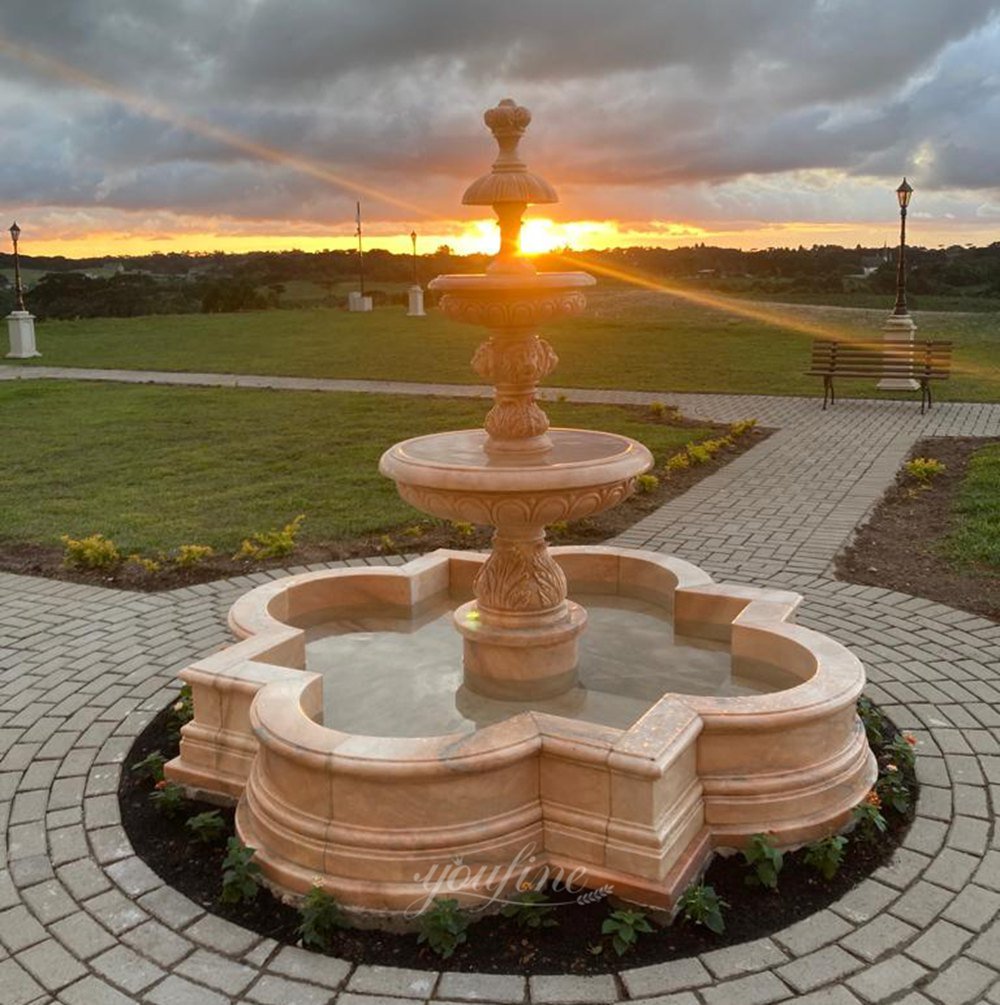
Different cultures have interpreted fountains in unique ways throughout history, yet many symbolic themes remain surprisingly similar.
Western Traditions
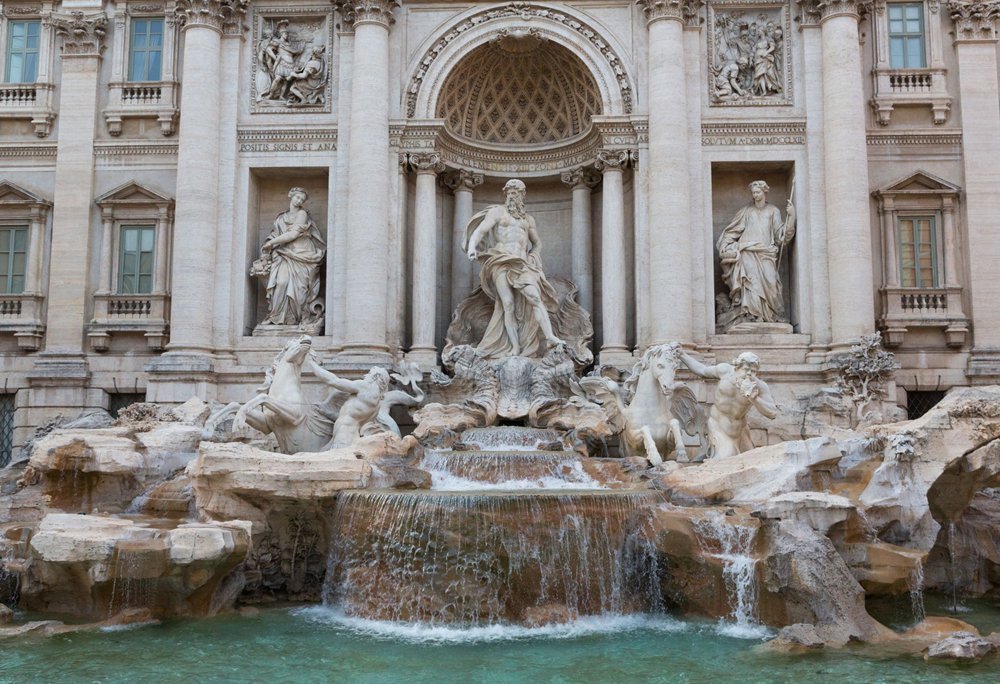
In ancient Greece and Rome, fountains symbolized civilization, beauty, and public life. They provided water for communities while also serving as important gathering places.
During the Renaissance and Baroque periods, fountains became symbols of artistic achievement and political power. Grand palace fountains demonstrated wealth, engineering ability, and cultural sophistication.
Today, European-style fountains are still associated with elegance, history, and timeless architectural beauty.
Eastern Traditions and Feng Shui
In Eastern traditions and Feng Shui philosophy, flowing water is closely connected to prosperity, harmony, and positive energy.
A fountain placed near the entrance of a home or garden is often believed to encourage balance and attract good fortune. The movement of water symbolizes healthy energy flow within a space.
Because of these associations, fountains are widely used in modern landscape design to create peaceful and balanced outdoor environments.
Fountains in Art and Literature
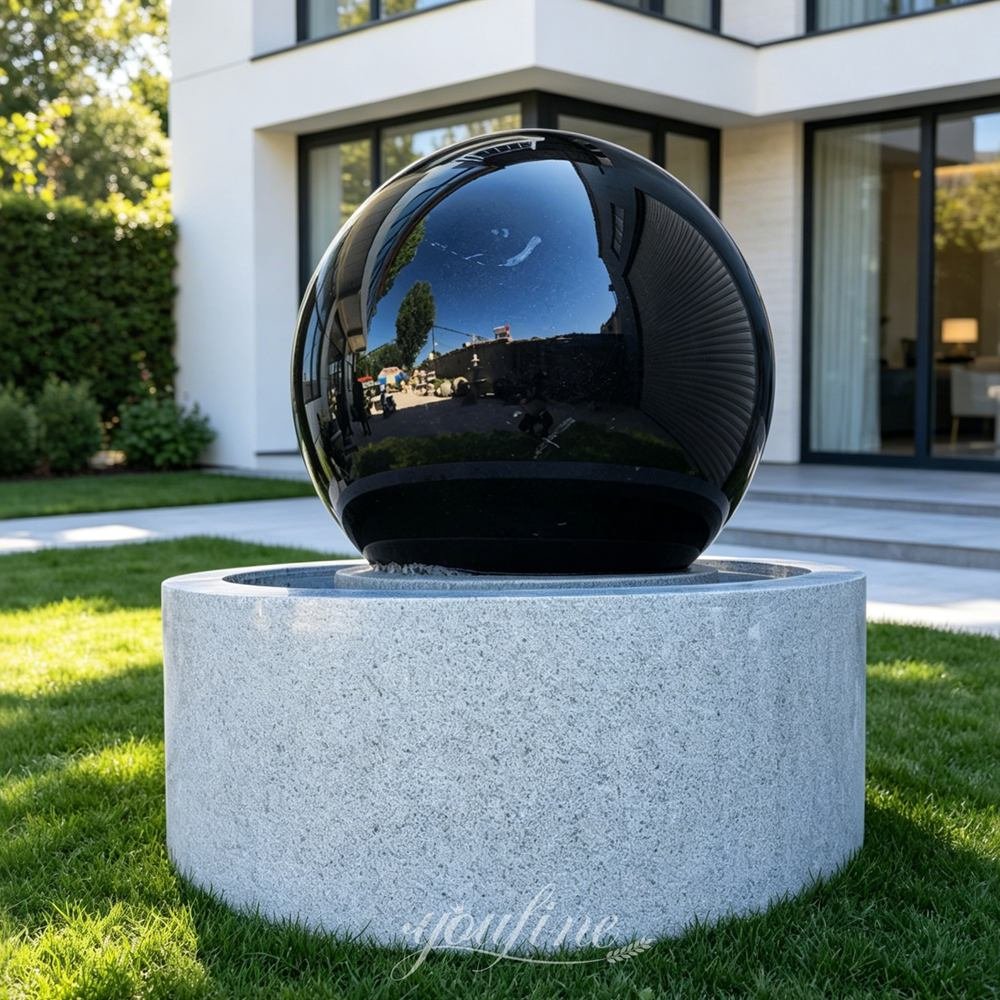
In art and literature, fountains often symbolize reflection, memory, beauty, and the passage of time.
Artists and writers frequently use fountains to create emotional atmosphere and represent ideas such as:
- nostalgia
- inner peace
- transformation
- emotional reflection
- the connection between nature and humanity
Because water is constantly moving yet visually calming, fountains naturally encourage contemplation and imagination.
Why Fountains Create Peace, Balance, and Emotional Comfort?
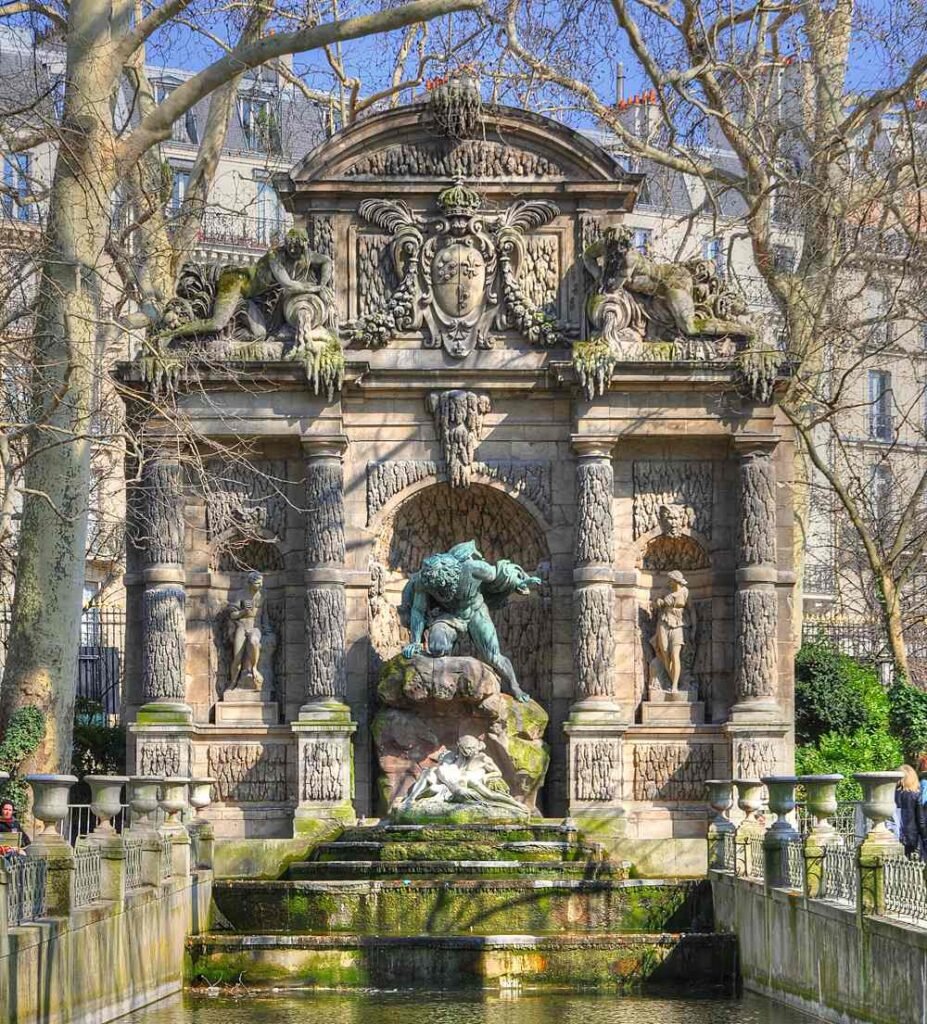
People naturally feel calmer around moving water.
The sound of flowing water helps soften background noise and creates a more peaceful environment. Psychologically, water is strongly associated with relaxation, nature, and emotional balance.
This is one reason fountains are commonly used in:
- private gardens
- wellness retreats
- hotel courtyards
- spas
- public parks
Unlike large architectural structures that can feel cold or rigid, fountains introduce movement and softness into a space.
Different fountain styles can also influence emotional atmosphere in different ways:
| Water Style | Emotional Effect |
|---|---|
| Gentle Flowing Water | Calmness and relaxation |
| Cascading Waterfalls | Natural and peaceful feeling |
| Vertical Jets | Energy and movement |
| Reflective Pools | Quiet contemplation |
In modern design, fountains are often used to create environments that feel more welcoming, balanced, and emotionally comfortable.
What Does a Fountain Symbolize in Different Spaces?
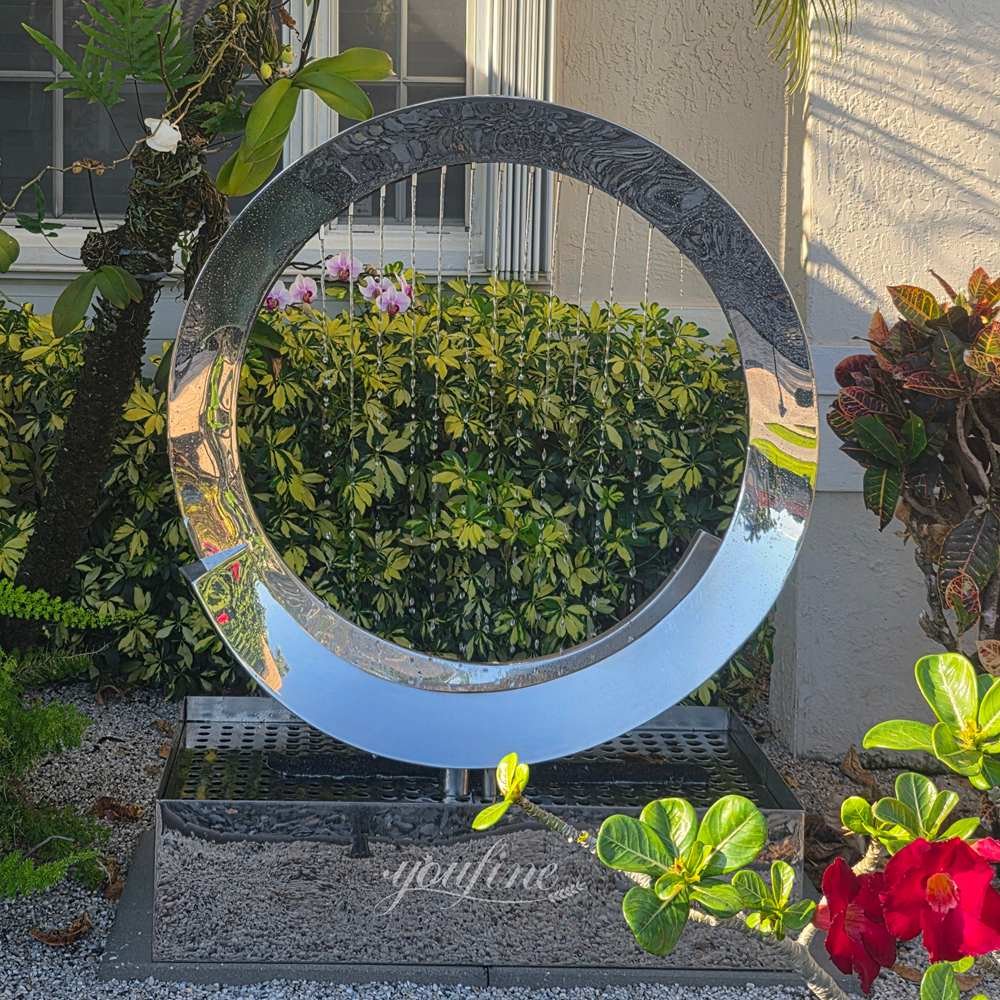
The symbolism of a fountain often changes depending on where it is placed and how it interacts with the surrounding environment.
Garden Fountains
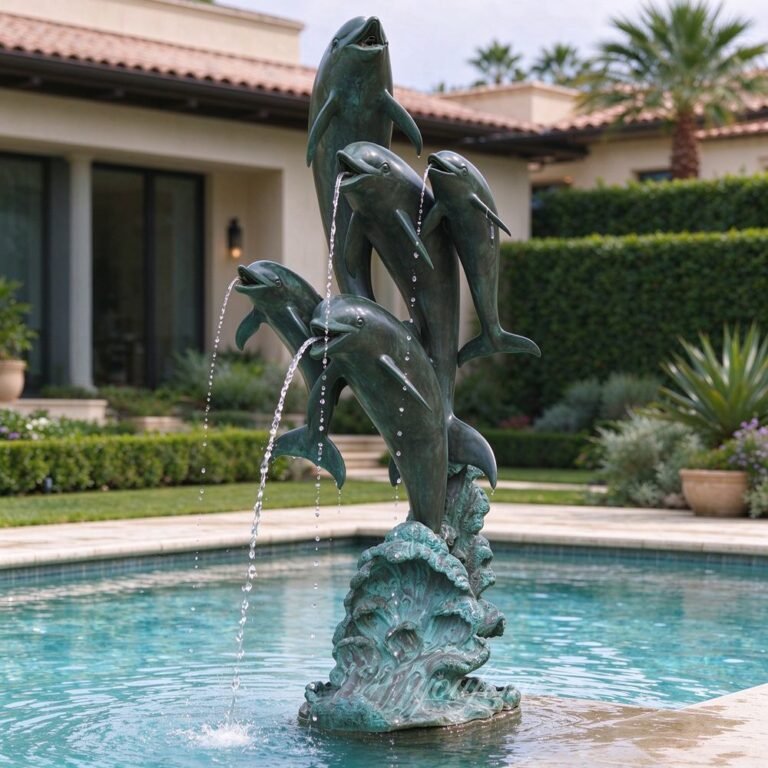
Garden fountains usually symbolize peace, relaxation, and connection with nature.
Many homeowners use fountains to create quiet outdoor spaces where people can slow down and escape daily stress.
Courtyard Fountains
Courtyard fountains are often associated with harmony, hospitality, and elegant living.
In Mediterranean and Islamic architecture, central fountains traditionally represented life and balance within the home.
Hotel and Resort Fountains
Large entrance fountains in hotels and resorts typically symbolize luxury, prestige, and welcome.
These fountains are designed to create a memorable first impression while establishing a calm and sophisticated atmosphere.
Public Square Fountains
Public fountains often symbolize civic pride, artistic identity, and shared community space.
Some of the world’s most famous fountains have become defining landmarks for entire cities.
Memorial and Religious Fountains
Memorial fountains are commonly associated with remembrance, healing, and continuity of life.
Religious fountains often create spaces for reflection and spiritual contemplation.
How to Choose a Fountain Based on Its Symbolism?
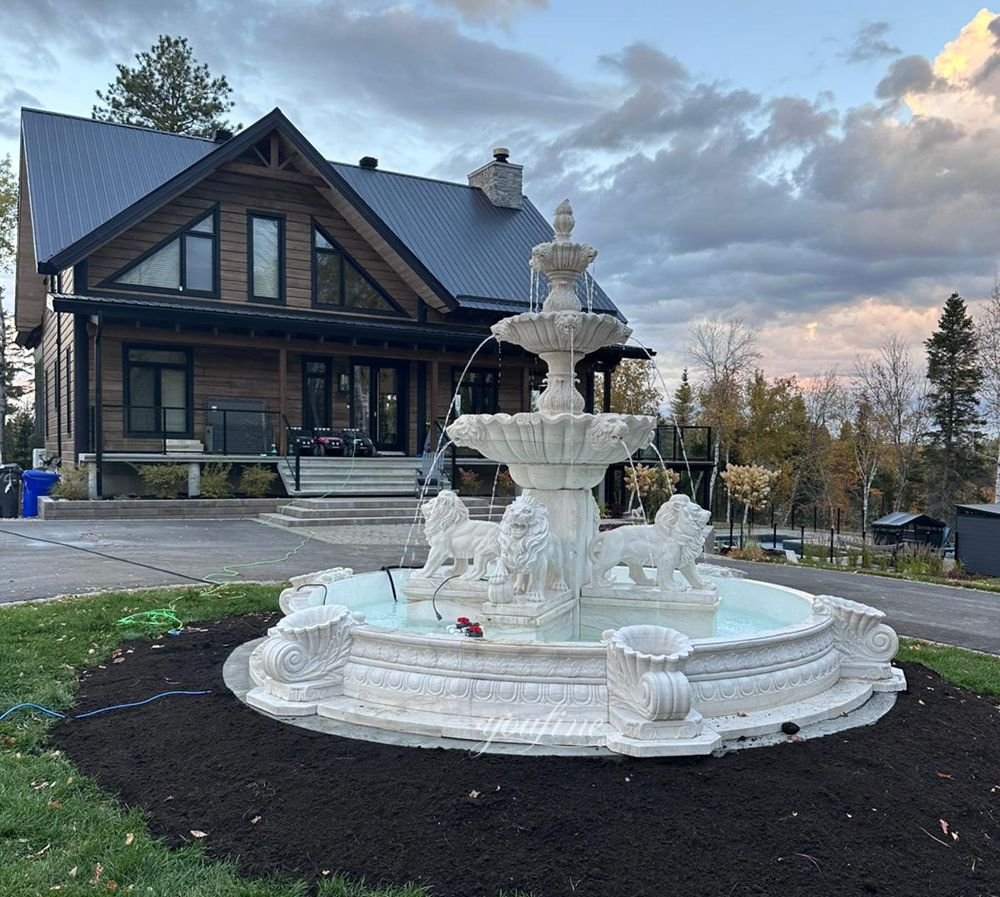
When choosing a fountain based on symbolism, one needs to consider three aspects: the shape and material of the fountain, as well as the form of the water flow.
Considering Fountain Shape Symbolism
Different fountain shapes create different visual and emotional impressions.
| Fountain Shape | Common Symbolism |
|---|---|
| Circular Fountain | Unity and continuity |
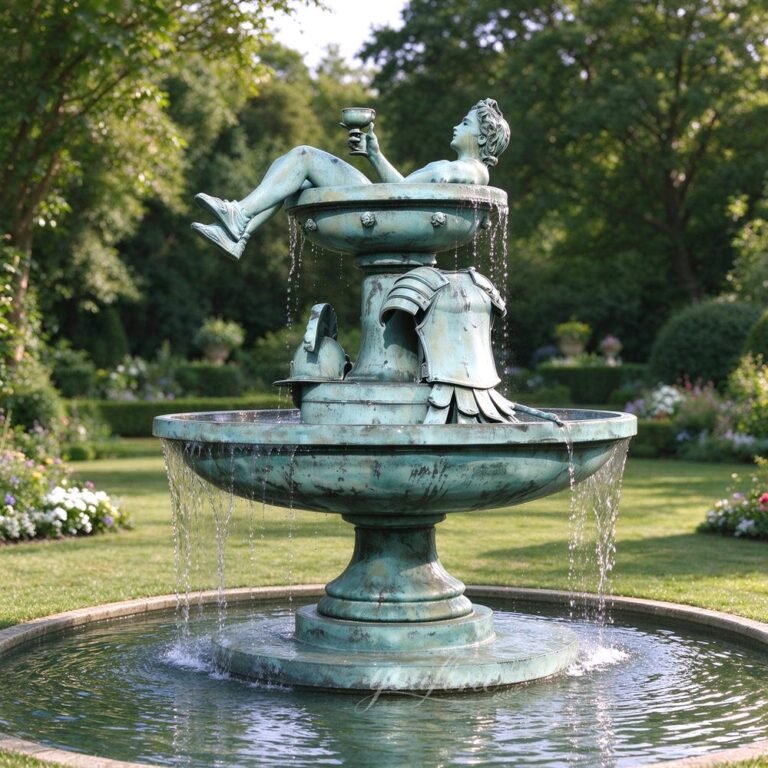
| Tiered Fountain | Abundance and movement |
| Minimalist Fountain | Simplicity and balance |
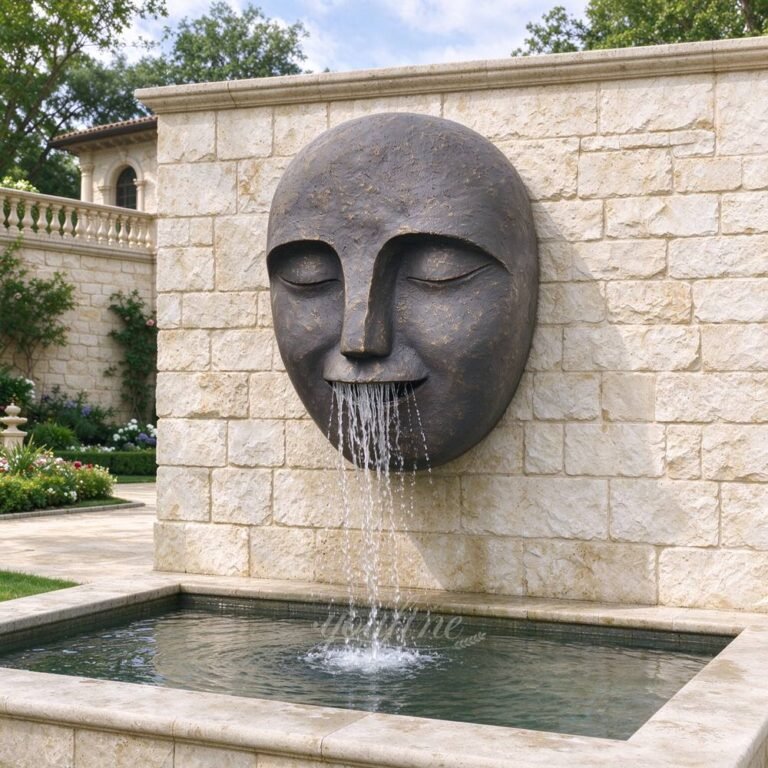
| Wall Fountain | Quietness and intimacy |
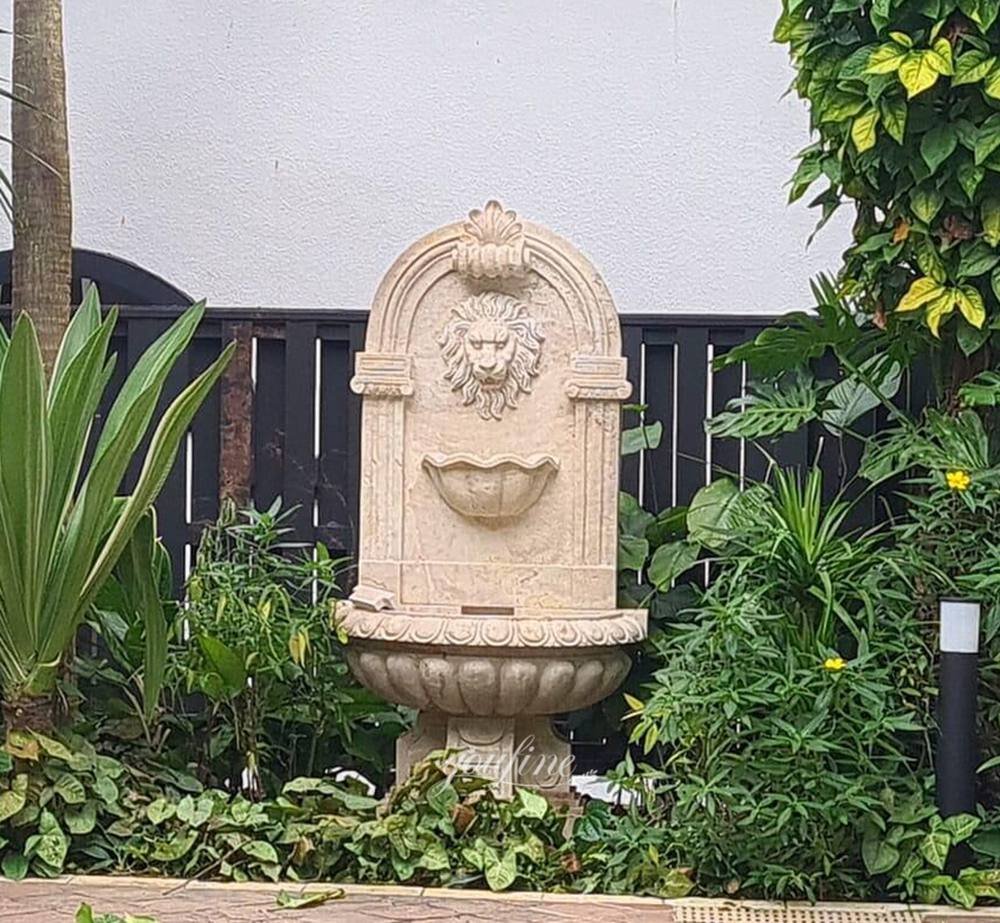
Considering Fountain Material Symbolism
The material of a fountain also affects its symbolic feeling and design style.
| Material | Symbolic Association |
|---|---|
| Marble | Elegance and tradition |
| Bronze | Prestige and artistic heritage |
| Stainless Steel | Modern luxury and innovation |
| Corten Steel | Rustic and natural |
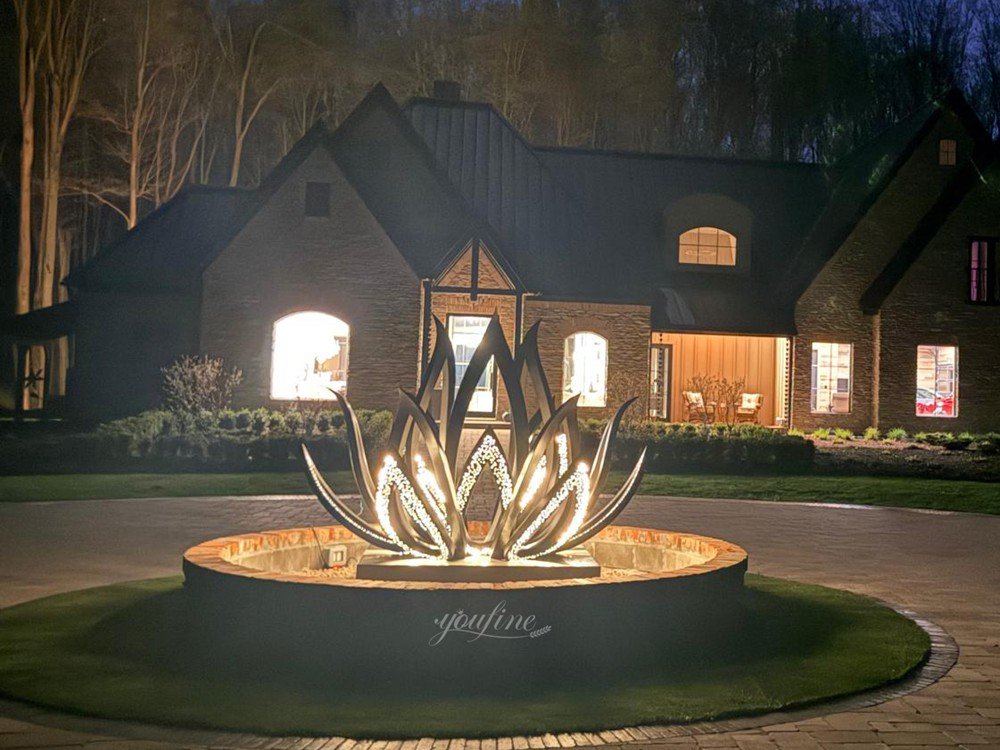
Considering Water Movement Symbolism
The movement of water can completely change the mood of a fountain.
- Soft flowing water creates a peaceful atmosphere
- Dramatic jets symbolize energy and celebration
- Cascading water creates a natural and relaxing feeling
- Still water surfaces encourage reflection and quiet thought
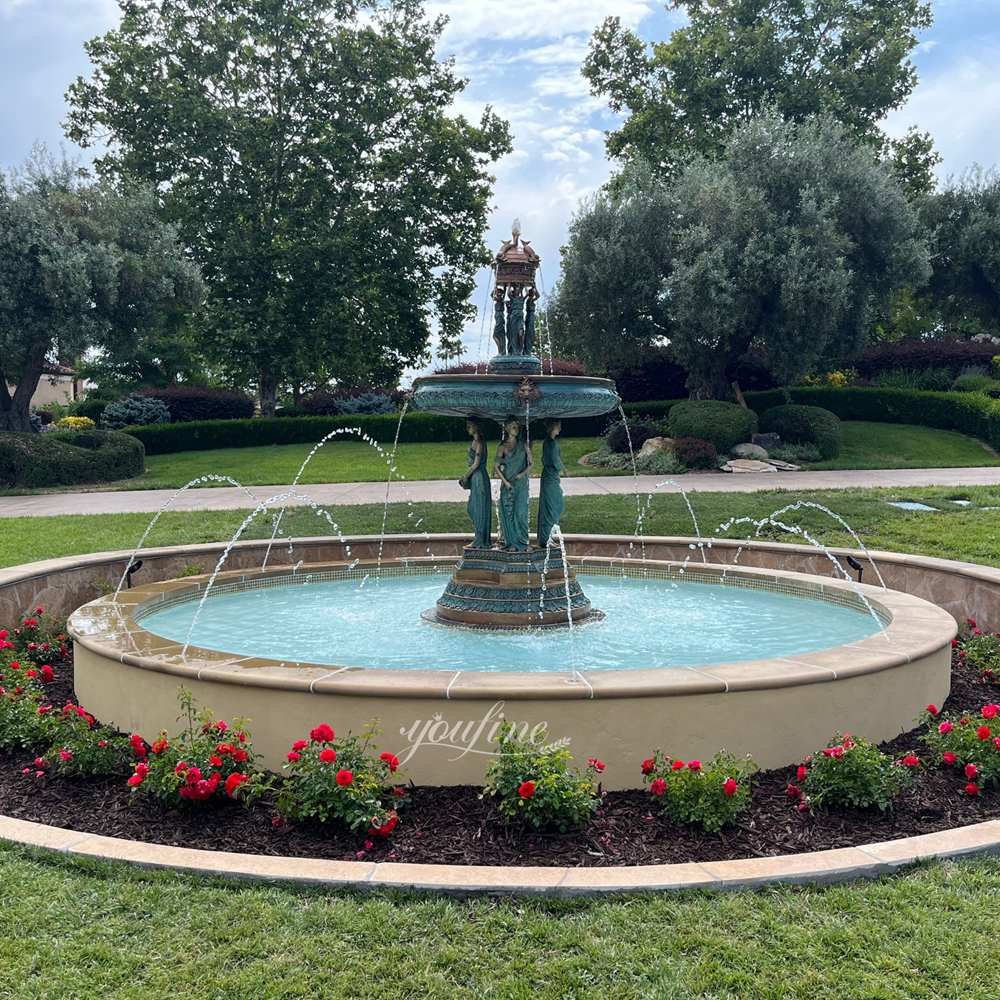
Choosing the right fountain style helps create a stronger emotional connection within a space.
If you are still unsure about how to make a choice, you could contact us, and we will provide you with a personalized solution. As a professional outdoor fountain supplier, we can offer you a variety of materials, including marble fountains, bronze fountains, stainless steel fountains, corten steel fountains, as well as customized options with different styles and water flow patterns. Help you turn your vision into reality.
FAQs
Where should a fountain be placed in a house?
For the best energy flow, place a fountain near the entrance or in the Southeast (wealth) and North (career) areas. Avoid placing them in bedrooms to maintain a quiet, restful environment.
Are water fountains considered good luck?
Yes. In many cultures, especially in Feng Shui, water fountains are “wealth magnets.” They are believed to attract good fortune by keeping positive energy circulating and preventing stagnation.
What does the Bible say about fountains?
In biblical contexts, fountains often symbolize God as the “fountain of living waters,” representing a spiritual source that never runs dry and provides eternal life and purification.
Is a fountain good for home energy?
Absolutely. Fountains act as natural ionizers, refreshing stagnant air and replacing “heavy” energy with a vibrant, flowing atmosphere that promotes relaxation and focus.
Why are fountains so common in luxury hotels?
Luxury hotels use fountains to establish an immediate sense of prestige and tranquility. They create a “sensory landmark” that masks street noise and makes a memorable first impression on guests.
Why are fountains a staple in garden design?
Beyond their beauty, garden fountains create a microclimate that cools the air and provides a focal point for meditation, symbolizing the harmonious connection between human architecture and nature.
What does a fountain mean for personal well-being?
On a personal level, a fountain represents “flow”—the ability to let go of old stress and remain open to new opportunities, much like water that constantly renews itself.
Final Thoughts
For centuries, fountains have symbolized life, prosperity, peace, and emotional connection. Whether placed in a private garden, a grand hotel entrance, a religious courtyard, or a public plaza, fountains continue to shape how people experience a space.
If you are also looking for a suitable outdoor fountain, don’t hesitate to contact us right away!