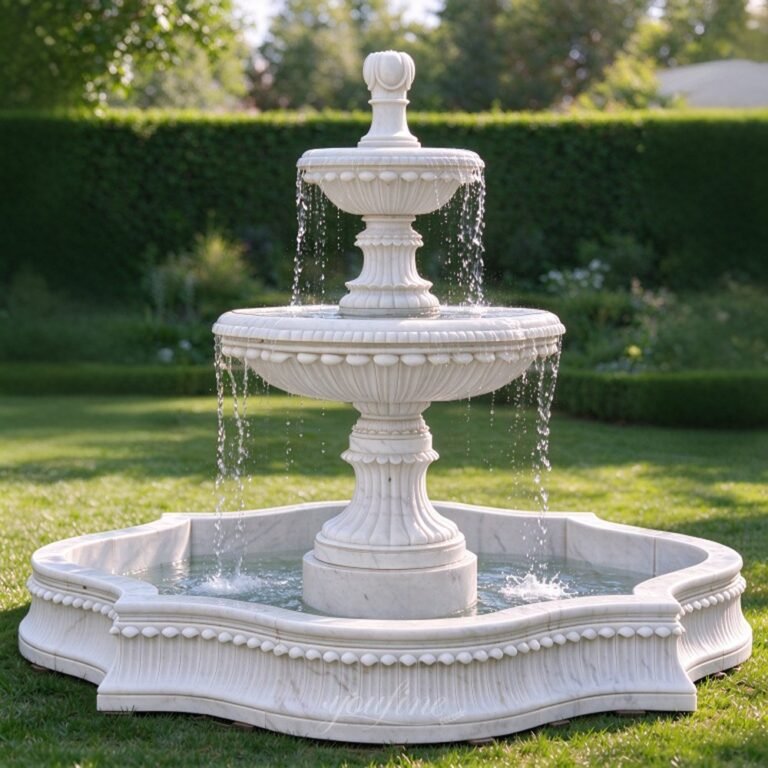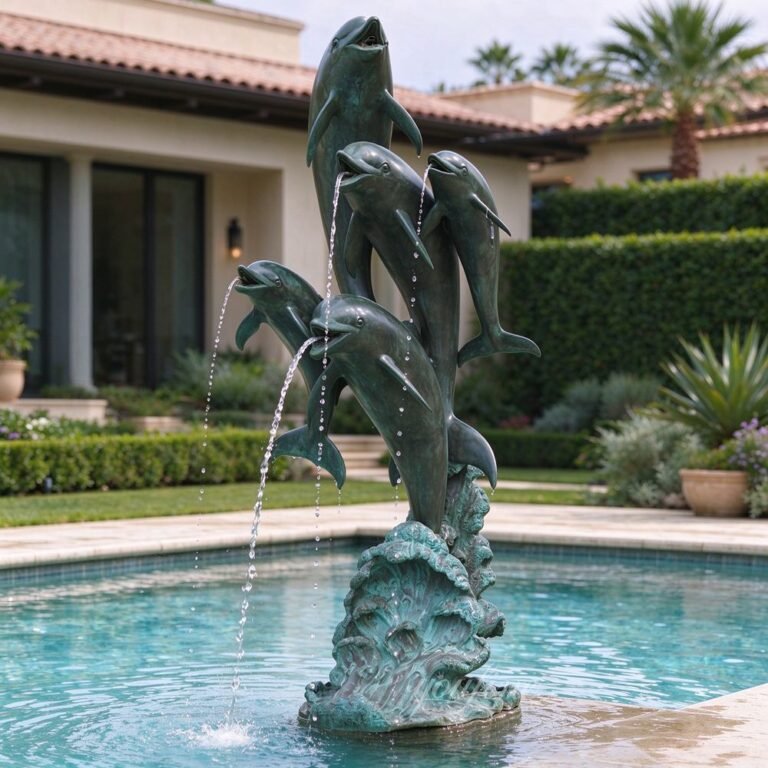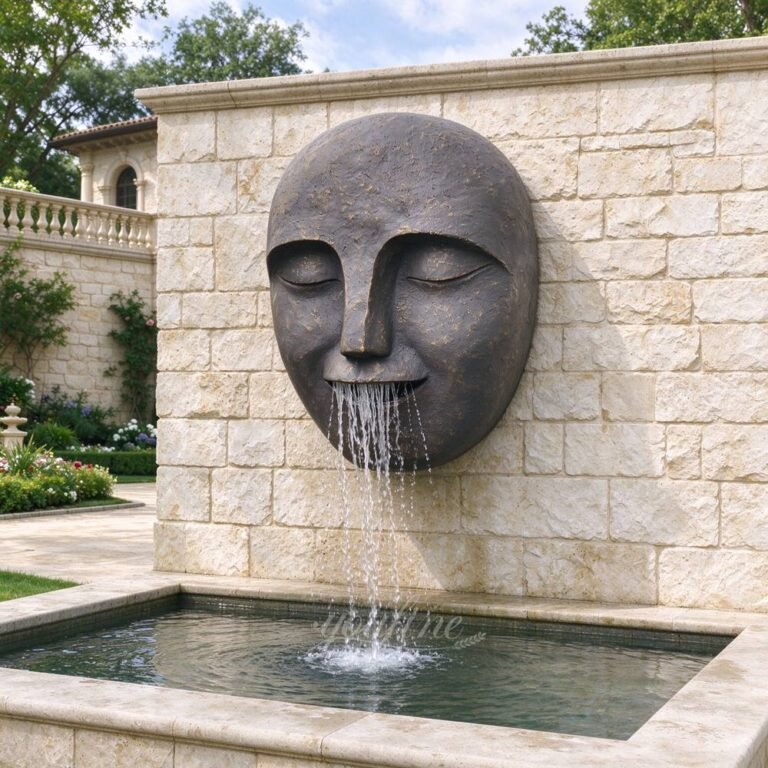
A well-maintained outdoor fountain brings more than just the soothing sound of trickling water to your garden—it creates a tranquil, inviting sanctuary right outside your door. However, many fountain owners overlook one simple yet crucial detail: the quality of the water they use.
Water is to your fountain what fuel is to your car. Use the right type, and your water feature will run smoothly and stay crystal clear for years. Use the wrong type, and stubborn limescale, mineral buildup, and premature pump failure can quickly turn your garden focal point into a costly maintenance headache.
In this guide, we break down the pros and cons of common water types, share hands-on tips straight from our fountain manufacturing workshop, and help you choose the best, most practical water solution for your outdoor space.
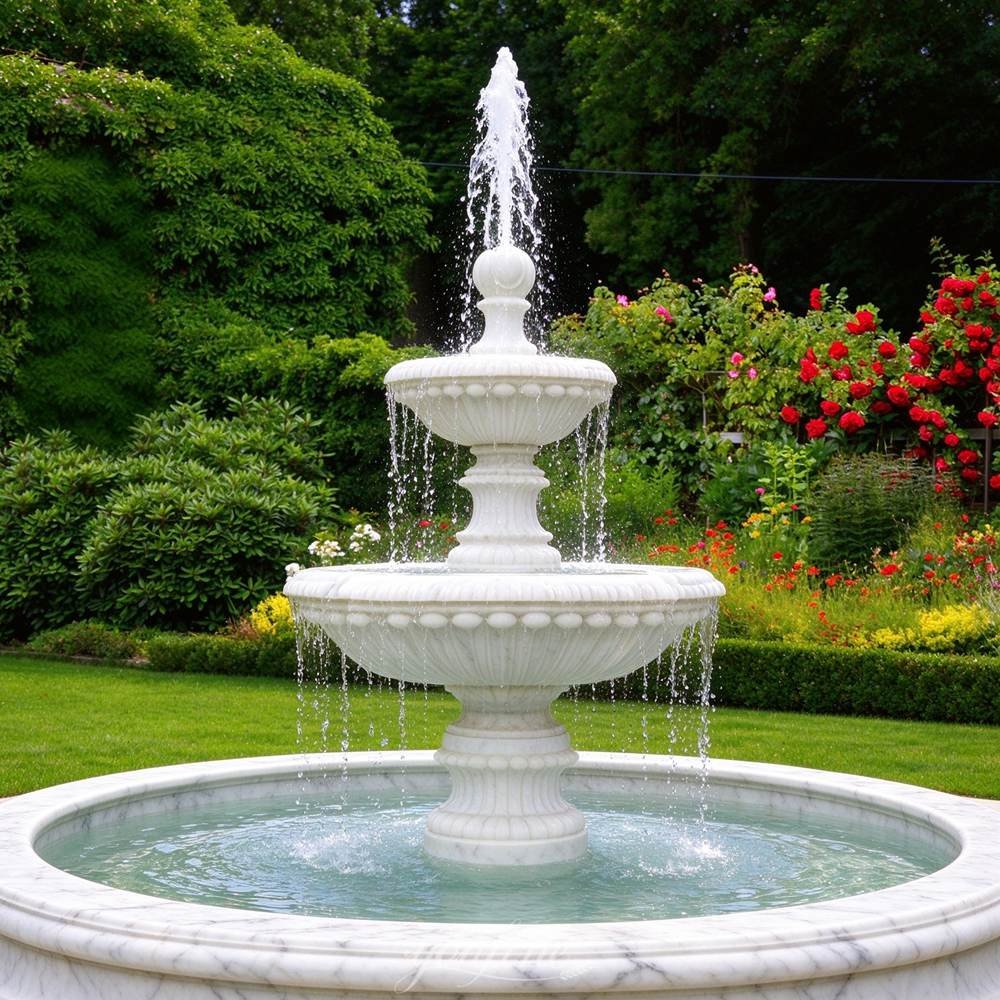
Quick Answer: What Is the Best Water for an Outdoor Fountain?
In short: Distilled water is the gold standard for preventing limescale and pump wear, while filtered tap water (using an in-line garden hose filter) is the most practical, cost-effective solution for large fountains.
- For small tabletop, wall, or birdbath fountains: Distilled water is your best bet. It contains zero dissolved minerals or sediments, entirely preventing chalky white scale and maximizing the lifespan of your submersible pump.
- For medium-to-large outdoor estate fountains: Use filtered tap water. Filling large basins with bottled distilled water can get expensive. Attaching an inexpensive in-line filter to your regular garden hose captures sediment and harsh chemicals, giving you clean water without breaking the bank.
Fountain Water Types Compared: Pros, Cons, and Long-Term Costs
To help you decide at a glance, here is how the four most common water sources compare:
1. Distilled Water: The Gold Standard for Small Fountains
Distilled water has undergone complete purification. Because it is free from minerals like calcium and magnesium, water can evaporate freely without leaving behind unsightly white mineral rings or clogging your pump impeller. If you have a small patio fountain or a fountain that doubles as a birdbath, distilled water is the cleanest and gentlest choice you can make.
2. Filtered Tap Water: The Best Practical Choice for Large Fountains
When your fountain holds dozens or even hundreds of gallons, refilling it with bottled distilled water simply isn’t realistic. The smartest workaround is attaching a simple in-line hose filter (commonly used for RVs and organic gardening) to the end of your outdoor garden hose. These filters are affordable, screw on easily, and capture rust, chlorine, and coarse particles before they ever enter your fountain basin.
3. Unfiltered Tap Water: Convenient, but Higher Upkeep
Filling up straight from your garden spigot is certainly the easiest option, but tap water in most regions is considered “hard.” According to the U.S. Geological Survey (USGS) study on water hardness and mineral deposits, municipal and well water supplies naturally contain high levels of dissolved calcium and magnesium.
As your fountain runs in the open breeze and sun, water continuously evaporates—but those dissolved minerals do not. Over time, the mineral concentration spikes, leaving a rough crust on your fountain surface and accelerating wear on your submersible pump’s motor.
4. Softened Water: A Costly Myth to Avoid
Many homeowners assume that water from their home water softener is ideal because it prevents hard scale. In reality, the opposite is true! Water softeners work through ion exchange, replacing hard minerals with sodium (salt). When softened water evaporates outdoors, it leaves behind concentrated salt residues. These salts actively corrode the internal bearings and metal shafts of your pump and can eat away at decorative metal patinas and natural stone finishes.
Manufacturer’s Perspective: How Water Quality Impacts Different Fountain Materials
As a direct manufacturer of handcrafted outdoor fountains, we regularly inspect how different materials interact with various water conditions over time. Every material has its own unique vulnerabilities:

3 Essential Fountain Water Care Rules
Keeping your fountain running happily throughout the seasons is straightforward once you follow these three simple habits:
Rule 1: Top Off Regularly and Drain Periodically
Outdoor fountains naturally lose water to sun and wind every day. Remember: only pure water evaporates; minerals stay behind in the basin. Simply topping off your fountain replaces lost volume, but the mineral concentration in the remaining water keeps climbing.
Along with your regular weekly top-offs, make sure to fully drain and flush the basin every 1 to 2 months. Replacing old water with a fresh batch washes away stubborn mineral residue before it crystallizes. If your water level seems to drop unusually fast, before adding more water, take a look at our troubleshooting guide on 10 reasons why your fountain is losing water so quickly to determine whether it is natural evaporation or an undetected leak.
Rule 2: Keep the Pump Fully Submerged at All Times
Submersible fountain pumps rely entirely on the surrounding water for cooling and lubrication. If the water level drops below the pump’s intake, the motor will pull in air and run dry. Running dry can burn out an electric motor in just a matter of minutes.
Rule 3: Use Gentle, Wildlife-Safe Algae Control
Algae loves warm water and bright sunlight. If possible, position your fountain in partial shade to limit algae blooms naturally. When cleaning is needed, wipe surfaces down gently with a soft sponge or cloth. Never pour swimming pool shock, bleach, or harsh algaecides into your fountain. Harsh chemicals degrade pump gaskets, damage stone and metal patinas, and pose serious risks to visiting songbirds and household pets.
FAQ
Q1: Can I use well water to fill my outdoor fountain?
Answer: We generally advise against using untreated well water. Groundwater is often extremely hard and frequently carries high levels of dissolved iron and manganese. In an outdoor fountain, untreated well water can cause orange-brown rust stains on your basin within a few weeks and can bind up pump bearings with grit. If you must use well water, make sure it runs through an iron and sediment filter first.
Q2: How often should I completely change the fountain water?
Answer: We recommend a complete drain and refill every 1 to 2 months. Even if you top off water weekly, draining the reservoir flushes away accumulated dust, airborne organic matter, and concentrated minerals, keeping your pump running freely.
Q3: Can I toss swimming pool chlorine tablets into my fountain?
Answer: Absolutely not. Swimming pool chlorine tablets have an extremely high chemical concentration and low pH. They quickly dry out and crack the rubber gaskets inside your submersible pump, erode brass fittings, and bleach the natural color and polish of marble and stone.
Q4: Is treated fountain water safe for birds and wildlife to drink?
Answer: Yes, provided you avoid harsh chemicals. Pure distilled water and physically filtered tap water are completely harmless to wildlife. As highlighted in the Audubon Society’s guide to creating safe birdbaths, keeping water moving and changing it regularly—rather than relying on synthetic chemicals—is the safest and most effective way to care for your backyard visitors.
Q5: Can I clean off white limescale deposits using white vinegar?
Answer: It depends entirely on the material:
- Stainless steel fountains: You can safely wipe away scale using white vinegar diluted 1:1 with warm water. Always rinse thoroughly with fresh water and dry with a soft cloth immediately afterward to prevent lingering acid contact.
- Bronze fountains: Never use vinegar. Vinegar is an acid that will dissolve and discolor the delicate, hand-finished patina. Clean bronze using warm water and mild, additive-free dish soap only.
- Marble and natural stone fountains: Strictly avoid vinegar and all acids. Vinegar reacts directly with the calcium carbonate in marble and limestone, chemically etching and dulling the polished stone surface.
Q6: Is an automatic auto-fill system worth it for outdoor fountains?
Answer: For large estate or courtyard fountains, an auto-fill kit is a wonderful investment. It uses a simple float valve connected to a filtered water line to quietly top off the basin whenever water levels drop, completely eliminating the worry of your pump running dry while you are away.
Final Thoughts: Caring for a Lasting Landscape Centerpiece
Choosing the right water and keeping it fresh is the easiest, most rewarding way to protect your outdoor fountain for decades to come. Whether your centerpiece is carved from classic natural marble, cast in stately bronze, or crafted from sleek modern stainless or corten steel, every fine water feature deserves thoughtful care.
If you are planning a new outdoor project and weighing the timeless elegance of hand-carved stone against the rich warmth of cast bronze, take a moment to explore our comprehensive guide on how to choose the best material for your outdoor fountain. It will help you match the right material to your regional climate, water conditions, and preferred maintenance routine.
As a dedicated manufacturer specializing in custom outdoor fountains, we take pride in combining artisan craftsmanship with structural durability. If you are looking for an exquisite marble fountain, bronze fountain, stainless steel fountain, or corten steel water feature—or if you need custom design guidance for a private estate or commercial landscape—our engineering team is always here to assist. Feel free to reach out to us for direct factory guidance from design and material selection all the way to long-term care!