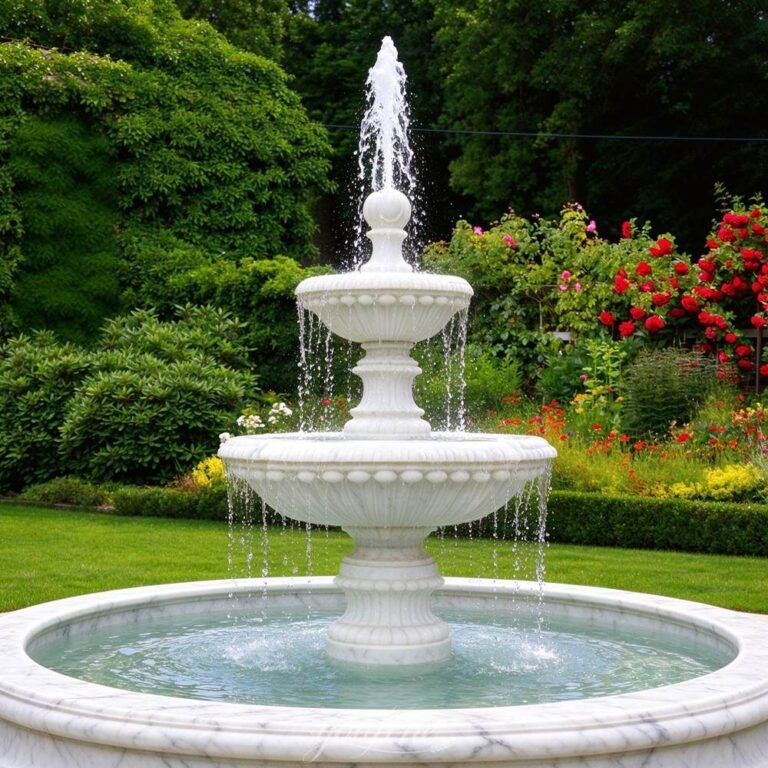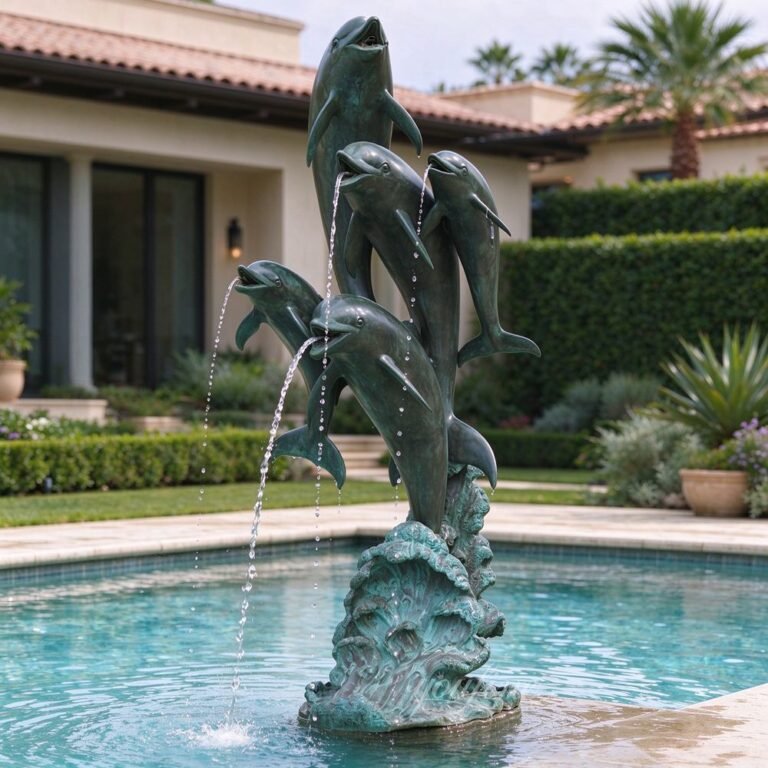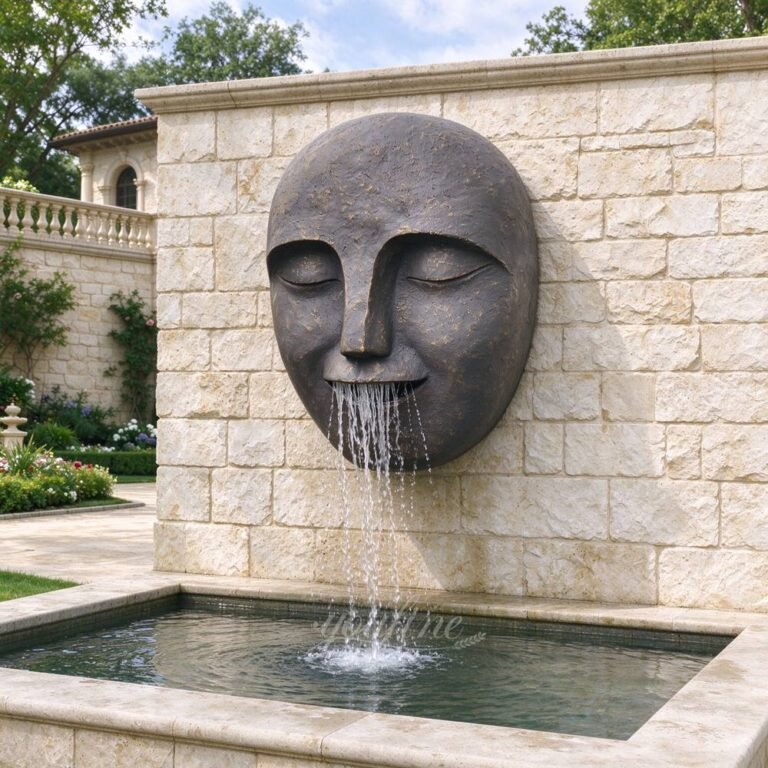
Sitting in the garden in the quiet morning or evening, listening to the gentle splash of a fountain, is meant to be a peaceful, relaxing retreat. However, if you’ve recently noticed that the water level drops every single day—forcing you to drag out the garden hose every morning—it can quickly feel more like a chore than a pleasure.
Take a deep breath: a dropping water level doesn’t automatically mean your fountain is broken or has a major structural hole. In many cases, it’s simply natural weather playing tricks, or a minor component nudging you for a quick clean or a tiny turn of a valve.
In this easy-to-follow guide, we’ll walk you through simple ways to pinpoint where the water is going and show you how to fix it with minimal effort.
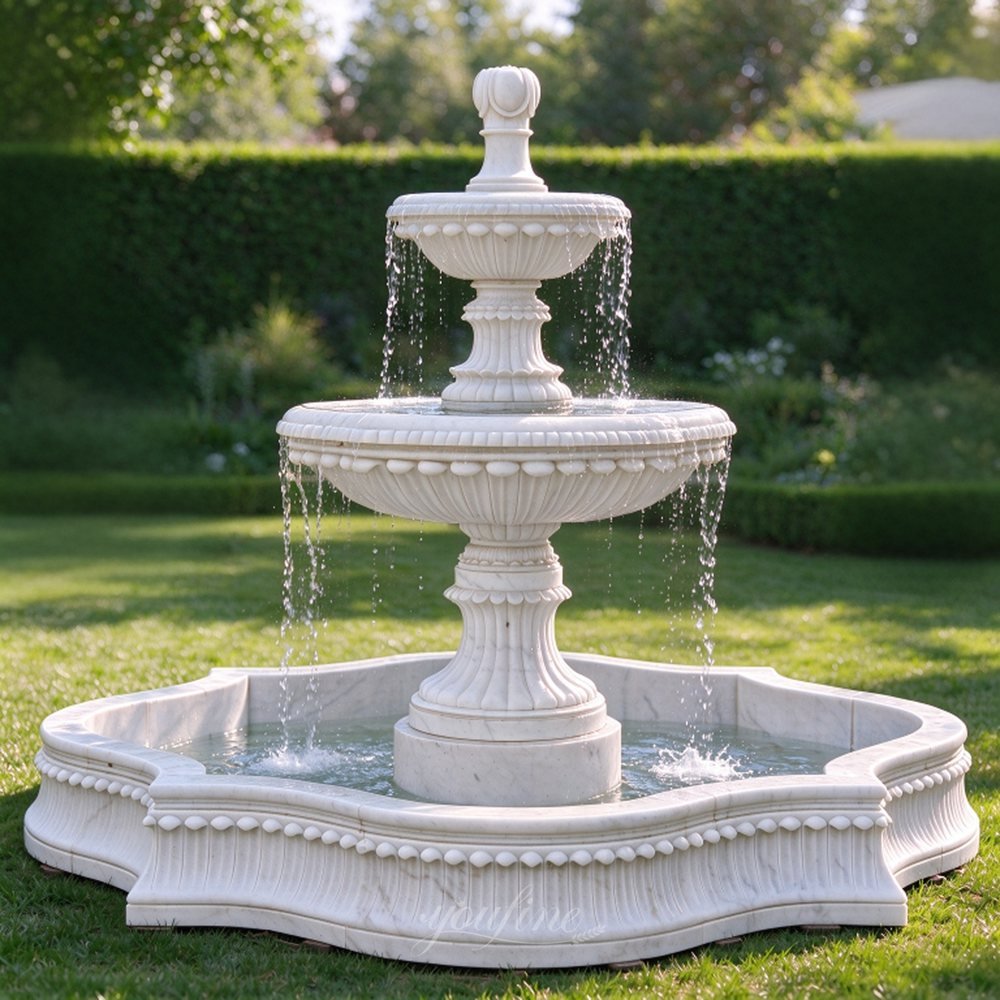
Quick Self-Check: Is Your Fountain Actually Leaking, or Just Evaporating?
Before grabbing any tools, it helps to keep a baseline in mind: an outdoor fountain naturally loses a little bit of water every single day.
- Normal Evaporation: On hot, sunny, dry, or windy days, it is completely normal for a fountain to lose about 0.5 to 1 inch (1 to 2 cm) of water depth per day purely to the air.
- A Likely Leak or Problem: If the basin loses half its water in just a few hours or overnight—especially if the pump intake becomes exposed—water is almost certainly escaping through an active leak or being blown outside the basin.
Helpful Tip: Keeping an eye on your water level is good practice. Submersible pumps rely on surrounding water to keep cool while running. If the water runs completely dry and the pump runs in the air, the motor can burn out, and minerals in the water will deposit much faster, creating stubborn white crusts.
The 24-Hour “Bucket & Power-Off Test”: Pinpoint the Problem Fast
If you can’t tell by eye where the water is going, this free, zero-effort test will give you a clear answer within 24 hours:
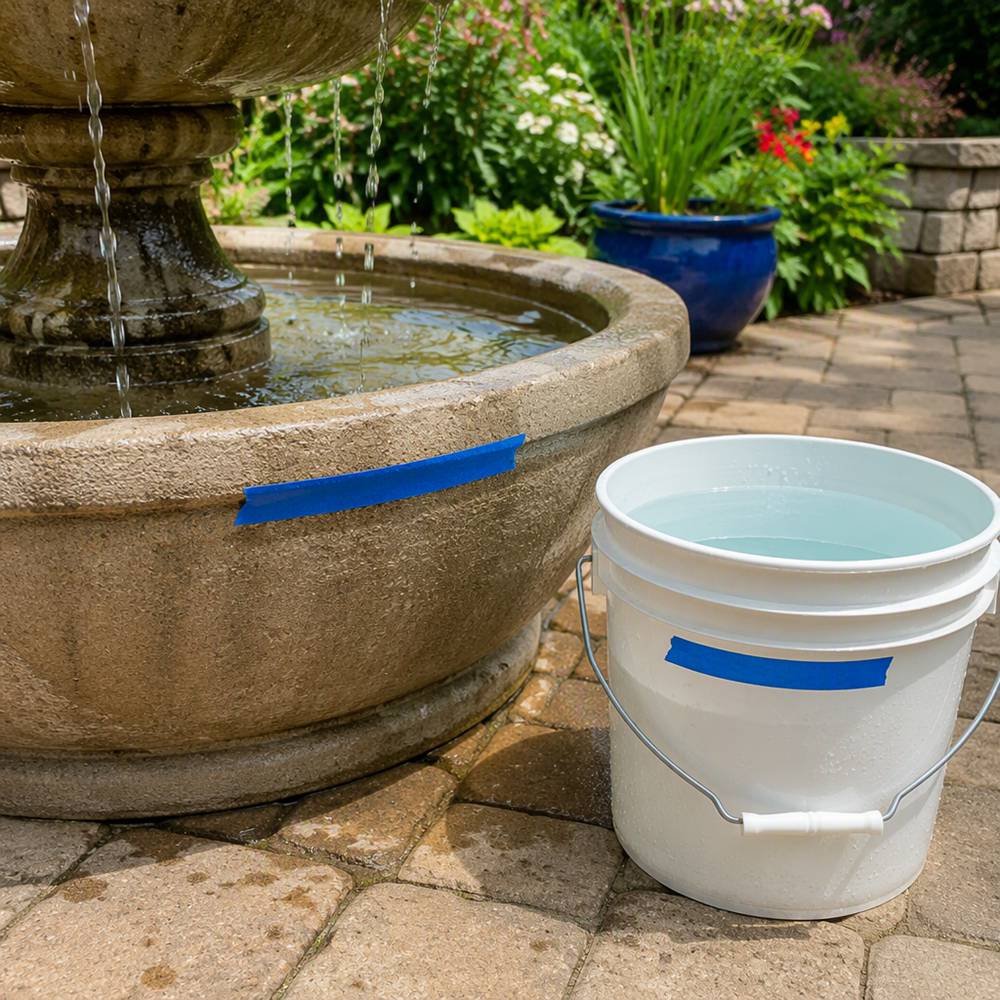
- Step 1 (The Bucket Baseline Test): Fill a small bucket with water and place it right next to your fountain. Mark the starting water level inside both the bucket and the fountain basin using small pieces of tape. Run the fountain as normal for 24 hours. If the fountain drops noticeably faster than the bucket, you are losing water to an active leak or overspray.
- Step 2 (The Power-Off Test): Refill the fountain basin, and this time, unplug the pump completely for 24 hours.
- If the water level still goes down: The issue is with the basin itself (such as a hairline crack or a slow leak around the power cord hole).
- If the water level stays completely still: Your basin is solid and watertight! The water loss only happens while the pump runs—pointing to loose tubing, a split hose under pressure, or wind blowing water outside the rim.
- The Waterline Clue: During the power-off test, notice where the water stops dropping. That horizontal line usually points directly to the height where a small crack or unsealed cord plug is hiding.
10 Common Reasons Your Fountain is Losing Water
We’ve grouped the 10 most common culprits into three easy categories:
Weather & Garden Visitors
1. Direct Sun & Dry Winds (Natural Evaporation)
Hot summer sun paired with dry afternoon breezes acts like an invisible hair dryer, causing the water surface to evaporate several times faster than on cool, humid days.
2. Splashing Birds & Thirsty Pets
Outdoor fountains are natural birdbaths. Backyard birds love to splash around, and garden wildlife, neighborhood pets, or family dogs frequently drop by for a fresh drink. All that splashing and sipping adds up throughout the day.
3. Overhanging Leaves Acting Like “Wicks” (The Wick Effect)
If nearby vines, overhanging shrubs, or low tree branches touch the water, they act just like a candle wick or a tiny straw. Plant capillary action slowly draws water up and drips it right out onto the surrounding garden soil.

Water Flow & Plumbing Hiccups
4. Pump Flow Running Too High (Wind Drift & Overspray)
When the pump flow is set too strong, cascading water splashes aggressively upon impact. On a breezy day, a delicate water veil can easily be carried right past the rim and onto the surrounding ground.
5. Stiff, Cracked Tubing or Loose Clamps
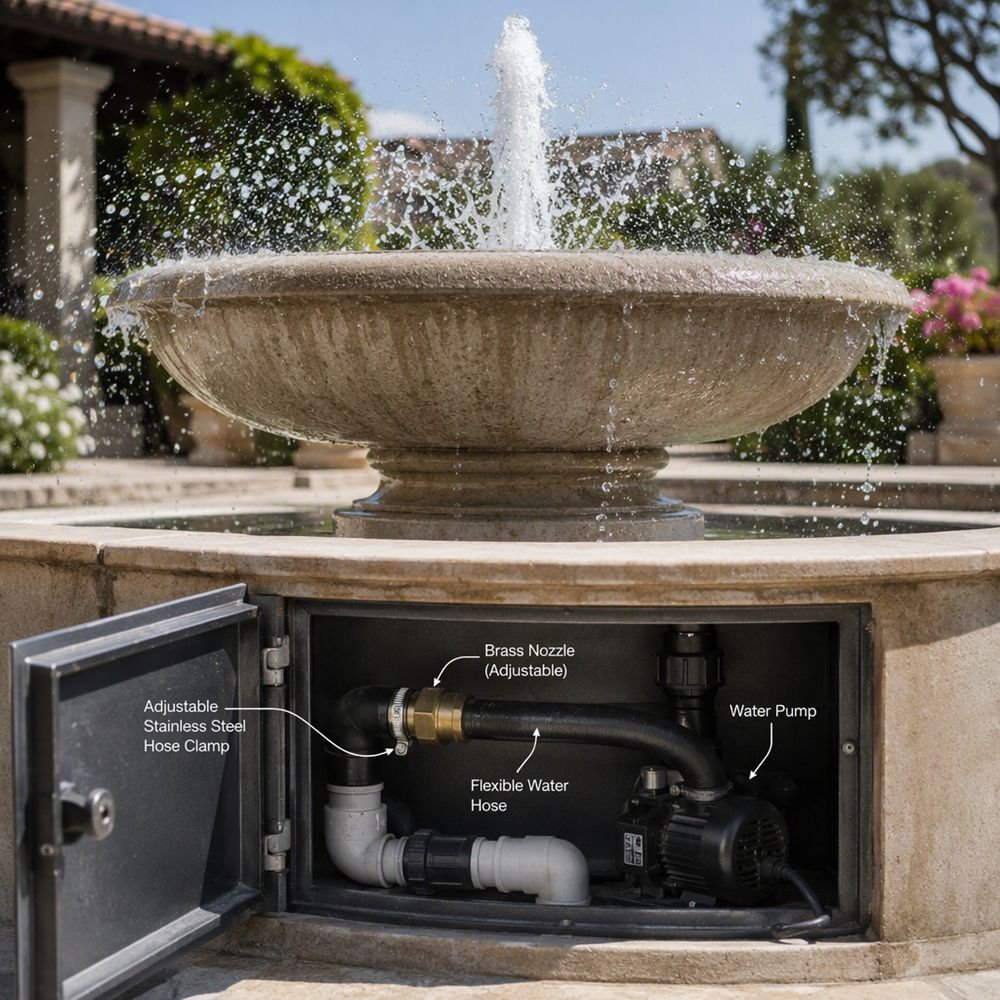
The flexible tubing hidden inside the fountain column faces years of water pressure and seasonal temperature swings. Over time, plastic can harden and develop tiny cracks; loose hose clamps can also let water spray quietly inside hollow chambers when the pump turns on.
6. Mineral Scale & Algae Diverting the Flow
When calcium scale or slippery green algae builds up along a spillway or bowl edge, it breaks the smooth surface tension of the water. Instead of falling cleanly into the basin below, the stream crawls backwards along the underside of the tier and drips outside the fountain.
Foundation, Seals & Materials
7. Slight Ground Settling (Silent Overflow)
Garden soil naturally shifts, settles after heavy rain, or softens over time. Even a tiny tilt of 1 or 2 degrees—almost invisible to the eye—can cause water to quietly spill over the lowest rim without making a sound.
8. A Worn Pump Cord Rubber Grommet
The pump power cord typically runs through a small hole in the bottom of the fountain basin, sealed with a rubber plug and silicone. After a few years submerged in water, this rubber piece can harden or loosen, letting water slowly seep out through the base.
9. Material Aging & Hairline Surface Wear
Certain lightweight fountain materials (such as standard resin, fiberglass, or low-density lightweight stone) become brittle under years of outdoor UV exposure. If surface sealants wear down, water can slowly seep through micro-pores or hairline cracks in the base.
10. Freeze-Thaw Cracks from Cold Winters
If residual water was left in the basin over a freezing winter, water expands by about 9% when freezing, gently prying open tiny micro-fissures in porous walls. Come springtime, these show up as persistent, mysterious slow leaks.
Simple Fixes for All 10 Causes
Once you’ve identified what’s happening, most of these fixes take just a few minutes of your weekend:
- For Evaporation & Visitors (Causes 1 & 2): Consider moving smaller fountains to partial shade if possible. Adding a standalone shallow birdbath nearby can also give birds and pets a dedicated spot to play without draining your fountain.
- For Plant Wicking (Cause 3): Use garden shears to trim back any trailing vines or foliage so there is at least several inches of clear, dry space between your plants and the water surface.
- For Wind Overspray (Cause 4): Turn the small dial on the side of your submersible pump down half a notch, or adjust the spray nozzle so all water drops land comfortably within the center of the basin.
- For Hidden Plumbing Leaks (Cause 5): Inspect the interior tubing. Trim off cracked, brittle ends, push the hose firmly back onto the barb, and secure it with a fresh stainless steel hose clamp.
- For Water Crawling & Scale (Cause 6): Grab an old toothbrush and distilled white vinegar to gently scrub away white mineral crusts and algae along tier edges. This restores a smooth, clean cascade.
- For Ground Tilting (Cause 7): Place a small level on the basin rim. Gently slide composite leveler shims under the low side of the pedestal until the fountain sits completely level again.
- For Cord Plug Seepage (Cause 8): Drain and completely dry the basin floor. Apply a generous bead of waterproof silicone sealant around the cord and the rubber grommet, allowing it to cure for 24 hours before refilling.
- For Hairline Surface Cracks (Causes 9 & 10): Clean and thoroughly dry the crack area. Press a small amount of waterproof marine epoxy putty firmly into the seam and smooth it flat. Once cured, applying a clear waterproof stone/masonry sealer across the basin will restore a solid barrier.
FAQ
Q: Should I leave an outdoor fountain running all the time?
A: Generally, yes! Running your fountain continuously is actually better for it. Circulating water discourages mosquitoes from laying eggs and slows down algae growth, while keeping the pump lubricated and cool. Just make it a quick habit to glance at the water level every couple of days to make sure the pump stays fully submerged.
Q: How long should an outdoor fountain pump last?
A: As long as the water stays clean, clear of falling leaves, and the pump is never allowed to run dry, a quality submersible pump typically lasts 2 to 5 years—and often even longer with basic seasonal care.
Q: Why does my fountain only lose water when it’s running, but stays full all night when turned off?
A: This is great news! It means your fountain basin itself is completely watertight and crack-free. The water loss is purely mechanical—usually a loose hose connection under pump pressure, a split tubing line, or water splashing too far on high flow. A quick hose check or turning down the flow dial usually solves it immediately.
Restoring Peace and Ease to Your Garden
Your garden fountain is meant to be a source of calm, soothing retreat—not an ongoing chore. With these simple checks, you can easily track down the cause of missing water and get your fountain running smoothly and quietly once again.
Of course, if an older fountain has simply reached the end of its lifespan due to aged materials and requires constant patching, you might consider stepping up to denser, more enduring materials when it’s time for an update (such as hand-carved natural marble fountains, heavy-cast bronze fountains, or seamless welded stainless steel fountains and Corten steel fountains). Solid, honest materials paired with proper engineering seals won’t completely remove the need for regular seasonal care, but they significantly minimize the risk of cracking and leaks—allowing you to enjoy your outdoor water feature with genuine peace of mind for decades.
If you are planning a new fountain project or looking to upgrade your outdoor space, feel free to contact us anytime. As a professional fountain factory with 40+ years of craftsmanship and strict quality control, we are always here to ensure your complete satisfaction.