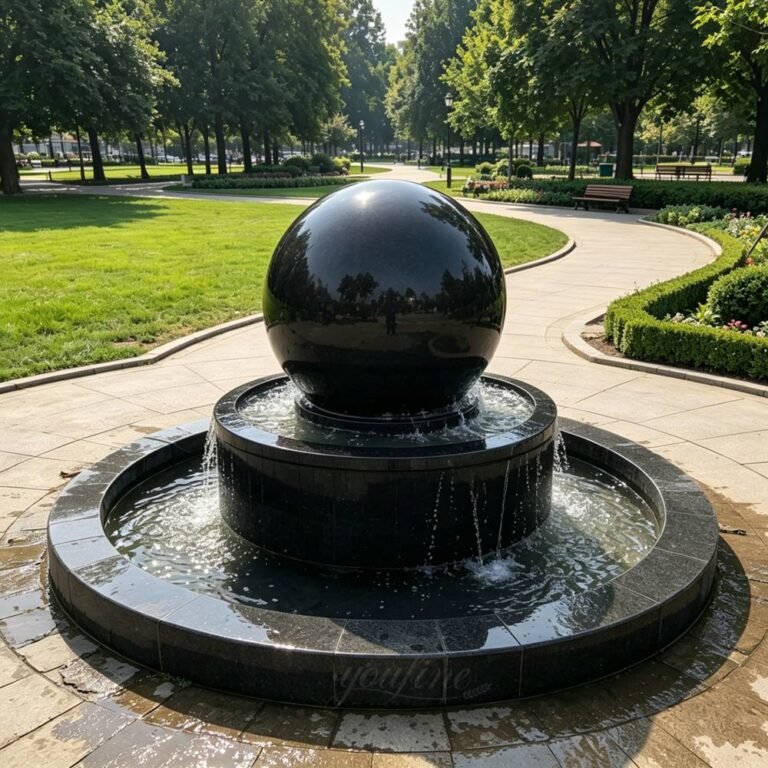
When you have an outdoor fountain, you often encounter the problem of algae growth. What starts as a slight green tint in the water can quickly develop into cloudy water, slippery surfaces, and clogged pumps if left untreated.
Fortunately, algae can be prevented with a few simple maintenance practices. Whether you own a marble fountain, bronze fountain, stainless steel water feature, or corten steel fountain, understanding why algae forms and how to control it can help keep your fountain looking clean and attractive year-round.
In this guide, we’ll explain what causes algae growth, how to prevent it, the problems it can create, and the best methods for removing algae once it appears.
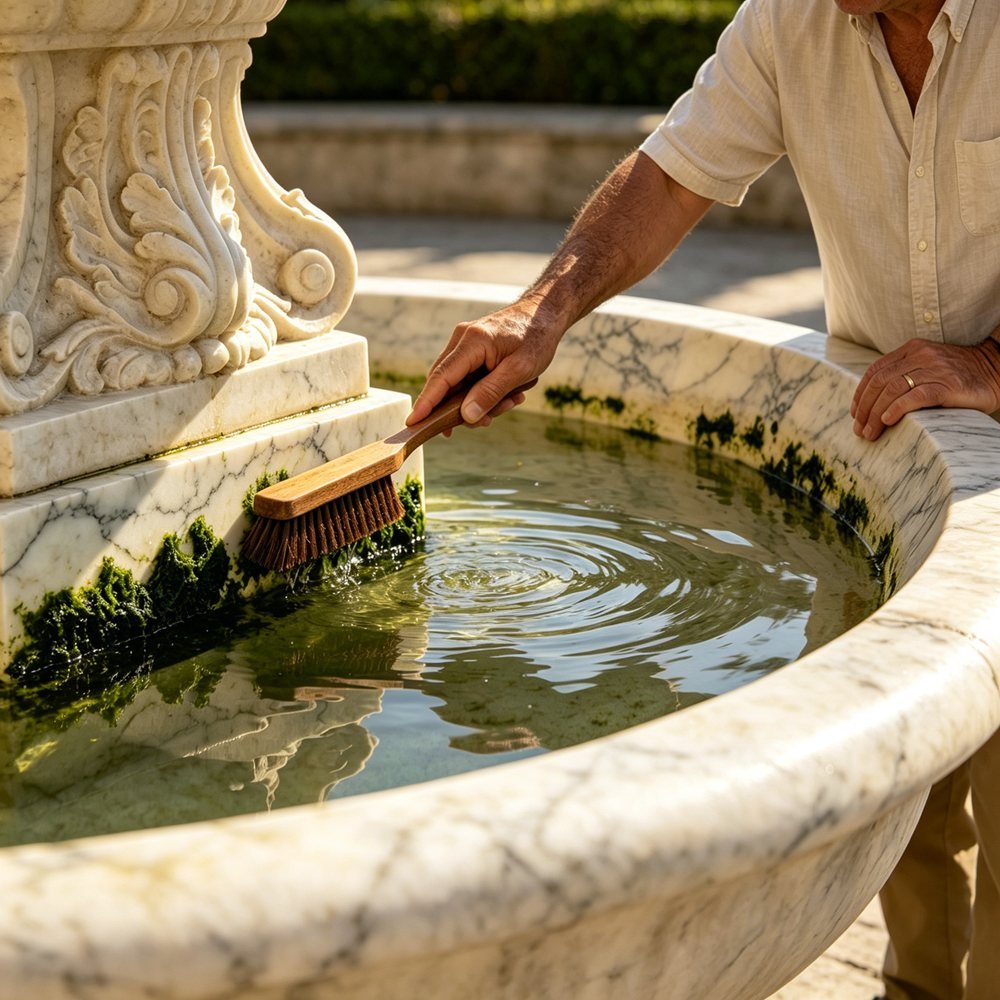
Why Does Algae Grow in Outdoor Fountains?
Algae are naturally occurring aquatic organisms that thrive when the right conditions are present. Because outdoor fountains contain water, sunlight, and organic matter, they can easily become an ideal environment for algae growth.
Sunlight Exposure
Like plants, algae use sunlight to produce energy through photosynthesis. Fountains placed in full sun are much more likely to experience algae blooms than fountains located in partial shade.
Warm Temperatures
Algae reproduce rapidly in warm water. During spring and summer, rising temperatures can significantly increase algae growth, especially in shallow fountains.
Organic Debris
Leaves, pollen, grass clippings, flower petals, and bird droppings introduce nutrients into the water. As these materials break down, they provide food that encourages algae growth.
Poor Water Circulation
Algae thrive in stagnant water. If the pump is not operating efficiently or certain areas of the fountain have little water movement, algae can establish itself more easily.
Infrequent Cleaning
Without regular cleaning, organic buildup accumulates on fountain surfaces and inside the pump system, creating ideal conditions for algae to spread.
How to Prevent Algae in Outdoor Fountains?
The best way to deal with algae is to stop it from growing in the first place. Consistent maintenance and proper water management can dramatically reduce algae problems.
Quick Algae Prevention Checklist
| Prevention Method | Frequency | Importance |
|---|---|---|
| Remove leaves and debris | Weekly | High |
| Maintain the filtration system | Weekly | High |
| Keep water circulating | Weekly | High |
| Deep-clean the basin | Every 2–4 weeks | High |
| Clean pump components | Monthly | Medium |
| Maintain filtration system | Monthly | Medium |
| Apply algae treatment | As needed | Medium |
Keep Water Moving
Good water circulation is one of the most effective ways to discourage algae growth. Running the pump continuously helps prevent stagnant areas where algae can thrive.
Inspect the pump regularly and remove any debris that may reduce water flow.

Remove Organic Debris Promptly
Leaves and organic matter provide nutrients that algae need to grow. Even a small amount of debris can contribute to green water over time.
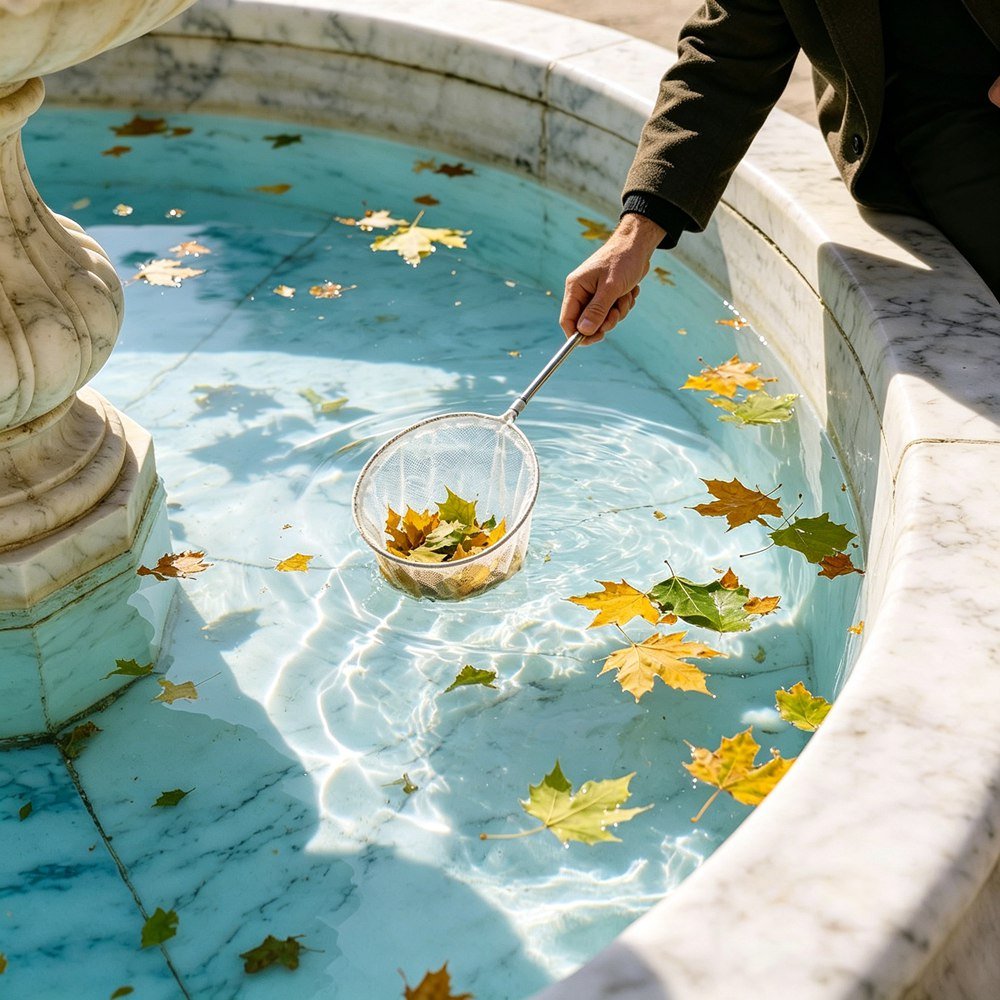
Use a net or skimmer to remove debris weekly, especially during fall and spring.
Perform a Deep Routine Cleaning
Most outdoor fountains should be cleaned deeply every two to four weeks, although fountains located beneath trees may require more frequent attention.
A routine deep cleaning should include:
- Draining the fountain completely
- Clearing out sunken sludge and sediment
- Scrubbing the basin walls to remove algae buildup
- Inspecting and cleaning pump components
- Refilling with fresh, treated water
Regular cleaning removes the nutrients algae depend on.
Maintain Proper Water Levels
Low water levels can reduce circulation efficiency and create warm, stagnant areas where algae are more likely to develop. Evaporation during hot weather can quickly lower the water level, especially in smaller outdoor fountains.
Check the fountain regularly and add fresh water as needed. Maintaining the proper water level helps the pump operate efficiently and keeps water moving throughout the system.
Install a Better Filtration System
A quality filtration system can significantly reduce algae growth by removing organic debris before it breaks down and releases nutrients into the water.
For larger outdoor fountains, consider adding:
- Mechanical filters to capture leaves and debris
- Biological filters to help break down organic matter
- Pump pre-filters to prevent buildup around the pump intake
Improved filtration reduces the amount of algae-feeding material in the fountain and helps maintain cleaner water between routine cleanings.
Use Distilled or Filtered Water
Tap water often contains minerals, nutrients, and impurities that may contribute to algae growth over time. Using distilled or filtered water can help reduce the nutrient load entering the fountain.
While it may not be practical for very large fountains, distilled or filtered water can be particularly beneficial for smaller decorative fountains where maintaining water clarity is a priority.
Combined with regular cleaning and proper circulation, cleaner source water can make algae prevention easier and reduce maintenance requirements.
Reduce Direct Sunlight
While sunlight cannot always be avoided, reducing exposure can significantly slow algae growth.
If possible:
- Place the fountain in partial shade
- Use nearby landscaping for natural shade
- Avoid areas exposed to direct sunlight throughout the day
Use Fountain-Safe Algae Prevention Products
Commercial fountain treatments can help prevent algae from developing. Always choose products specifically designed for decorative fountains and follow the manufacturer’s instructions carefully.
Avoid harsh chemicals that may damage fountain materials or shorten pump life.
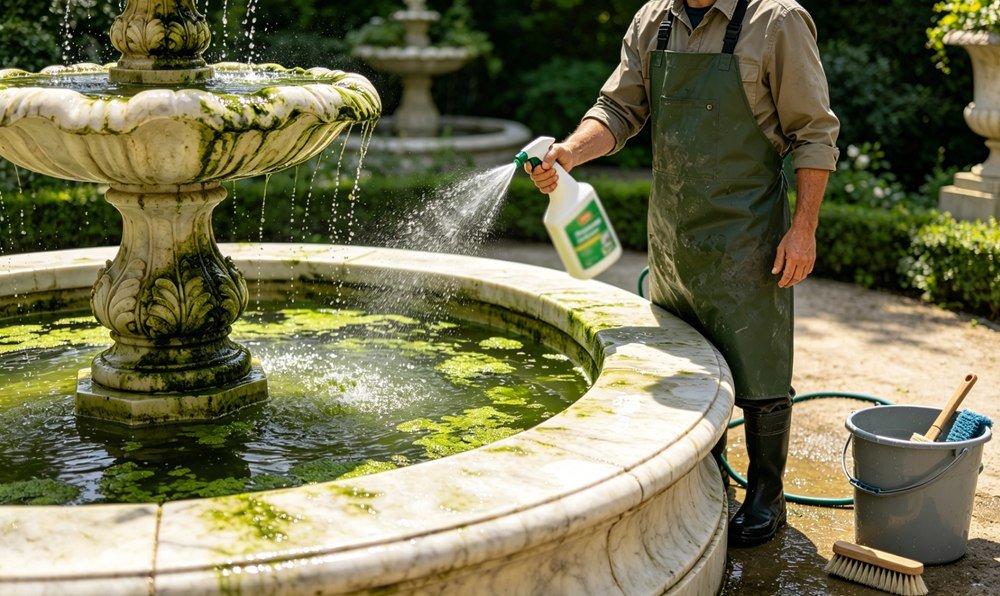
Choose Bird- and Pet-Safe Solutions
Many outdoor fountains attract birds and wildlife or are located in areas frequented by pets.
When selecting algae prevention methods:
- Use products labeled as pet-safe
- Avoid excessive chemical treatments
- Change water regularly
- Consider hydrogen peroxide-based treatments when appropriate
A wildlife-friendly approach can often provide effective algae control while keeping animals safe.
Different Fountain Materials Require Different Care
Although the basic principles of algae prevention are similar, some fountain materials require specific considerations.
| Fountain Material | Algae Prevention Tips | What to Avoid |
| Marble Fountain | Clean every 2–4 weeks and remove organic buildup before it stains the stone. For the full marble cleaning routine, see How to Clean a Marble Fountain. | Acidic cleaners and harsh chemicals. |
| Granite Fountain | Maintain good circulation and remove debris regularly. | Allowing algae to remain on the surface for extended periods. |
| Bronze Fountain | Keep water moving and gently clean algae before it affects the patina. | Abrasive scrubbing or strong chemical cleaners. |
| Stainless Steel Fountain | Wipe surfaces regularly and maintain clean water circulation. | Chlorine-heavy products that may affect the finish. |
| Corten Steel Fountain | Prevent excessive algae buildup by removing debris and maintaining water movement. | Products that may interfere with the natural weathered patina. |
What Problems Can Algae Cause?
Algae growing in fountains ruins the landscape and also causes problems in safety, equipment, maintenance, and health. Here are the details:
Discolored and smelly water
Algae turns the water murky and changes its color. Decaying algae also creates bad odors.
Higher safety risks
Algae forms a slimy layer on surfaces and surroundings, making them slippery and easy to cause falls.
Poor pump performance
Algae and dirt clog pipes and filters, putting extra strain on pumps and lowering their efficiency.
Higher maintenance costs
Frequent cleaning, water replacement, and supplies for algae removal greatly increase costs.
Health hazards
Algae-filled water breeds bacteria. Contact with the water or spray may lead to physical discomfort.
How to Remove Algae from an Outdoor Fountain?
If algae has already appeared, prompt action can prevent the problem from becoming more severe.
Step 1: Drain the Fountain
Turn off the pump and completely empty the fountain.
Step 2: Remove Debris
Clear away leaves, dirt, and other organic matter from the basin and surrounding areas.
Step 3: Scrub the Fountain
Use a soft brush and a mixture of water and white vinegar or a fountain-safe cleaner to scrub algae from all surfaces. Note for marble owners: skip vinegar on polished marble — it causes etching. Use pH-neutral stone soap or 3% hydrogen peroxide instead; see our full marble cleaning steps.
Pay special attention to corners, crevices, and areas near the waterline.
Step 4: Clean the Pump
Disassemble the pump according to the manufacturer’s instructions and remove any algae buildup from internal components.
Step 5: Rinse Thoroughly
Rinse all surfaces with clean water to remove loosened algae and cleaning residue.
Step 6: Refill With Fresh Water
Refill the fountain and restart the pump.
Step 7: Apply Preventive Treatment
If desired, add a fountain-safe algae prevention product to help reduce future growth.
Frequently Asked Questions
How do I keep my water fountain from turning green?
Green fountain water is usually caused by algae growth. To prevent it, maintain proper water circulation, remove debris regularly, reduce sunlight exposure, and clean the fountain every two to four weeks.
What can I put in my fountain to prevent algae?
Fountain-safe algae inhibitors, decorative fountain treatments, and certain hydrogen peroxide-based solutions are commonly used to help control algae growth. Always verify that the product is safe for your fountain material and any nearby pets or wildlife.
Is vinegar safe for removing algae?
Yes, on most materials. One exception: avoid vinegar on polished marble, where it causes etching.
How often should I clean an outdoor fountain?
Most outdoor fountains benefit from cleaning every two to four weeks. Fountains located under trees or in hot climates may require more frequent maintenance.
Can algae damage a fountain pump?
Yes. Excessive algae can clog pump intakes, reduce water flow, and potentially shorten the lifespan of the pump.
Do high-quality fountains reduce algae growth?
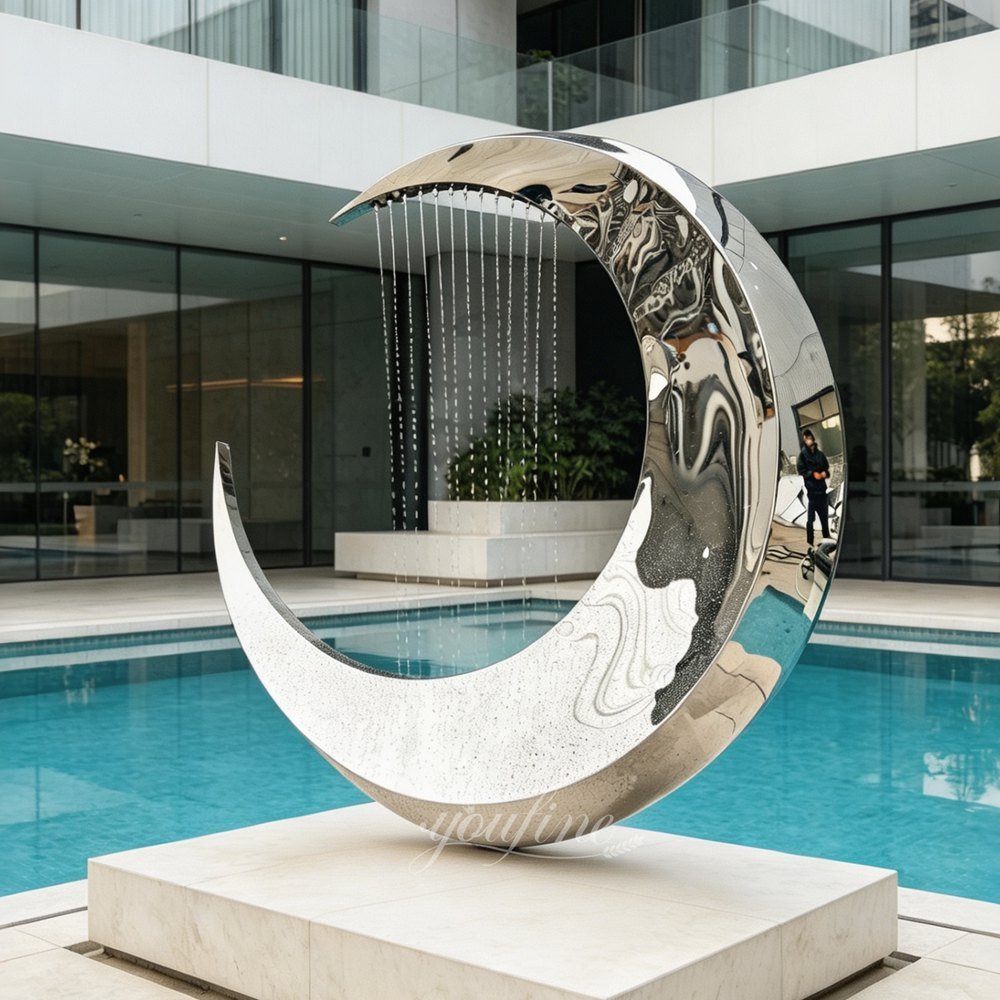
A: Yes. Premium fountains use dense, non-porous materials and flawless surface finishes that prevent algae from anchoring and multiplying. Additionally, their superior engineering ensures constant, high-velocity water circulation, reducing the stagnant “dead zones” where algae thrives to some extent.
Final Thoughts
Algae growth is a common but manageable issue for outdoor fountains. By understanding what causes algae and following a consistent maintenance routine, you can keep your fountain water clear and attractive throughout the year.
Simple practices such as improving water circulation, removing debris, cleaning regularly, and choosing appropriate algae prevention methods, or one could choose a high-quality fountain from the very beginning. can significantly reduce algae problems. Whether your fountain is made from marble, granite, bronze, stainless steel, or corten steel, proactive care is the key to long-term algae control and a healthier water feature.