Introduction
The Trevi Fountain is famous for 5 key reasons: its breathtaking Baroque design, its long-standing coin toss tradition, its appearance in iconic films, its status as a world-famous landmark, and its deep historical roots in ancient Rome. As one of the most recognizable landmarks in the world, it attracts millions of visitors each year who come not only to admire its beauty but also to take part in its cultural traditions.
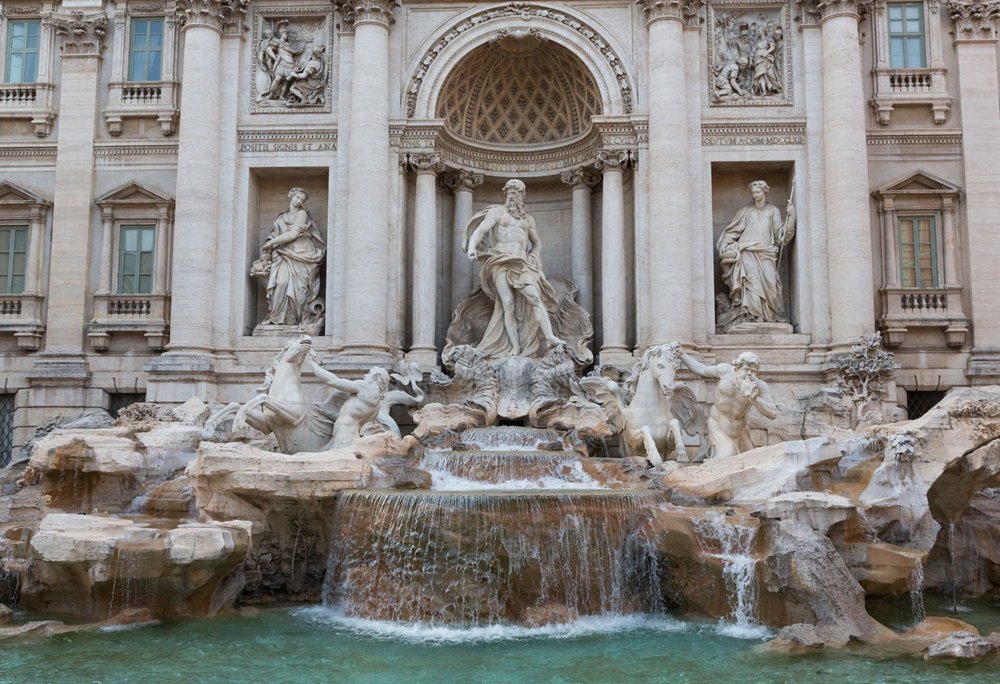
A Quick Overview of the Trevi Fountain
The Trevi Fountain in Rome is the largest and most famous fountain in the city. Designed by Nicola Salvi, the monument stands 26 meters high and 49 meters wide. Construction began in 1732 and was completed in 1762.
Built in the grand Baroque style, built primarily from Travertine limestone—the same stone used for the Colosseum—it is a stunning theatrical display of water, light, and stone carving.
Why Is the Trevi Fountain So Famous?
1. A Masterpiece of Baroque Art
One of the main reasons for the fountain’s fame is its extraordinary artistic design. Completed in 1732 and designed by Nicola Salvi, it represents the pinnacle of High Baroque style.
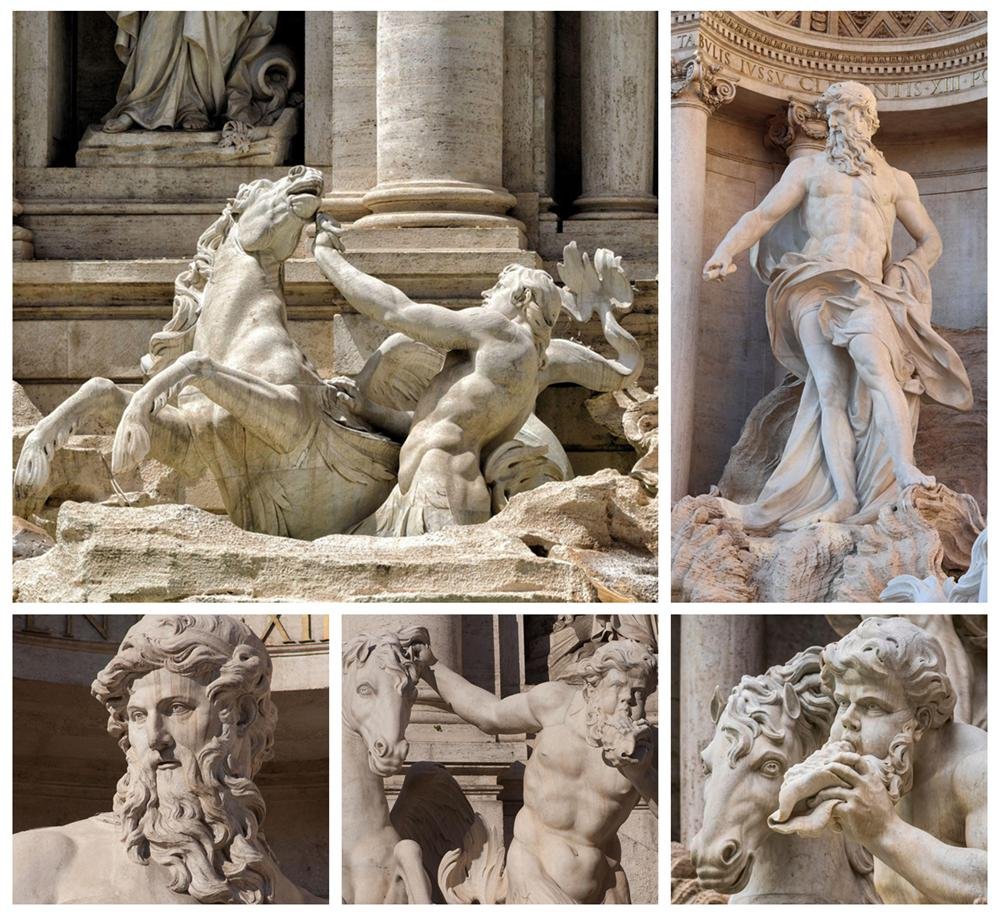
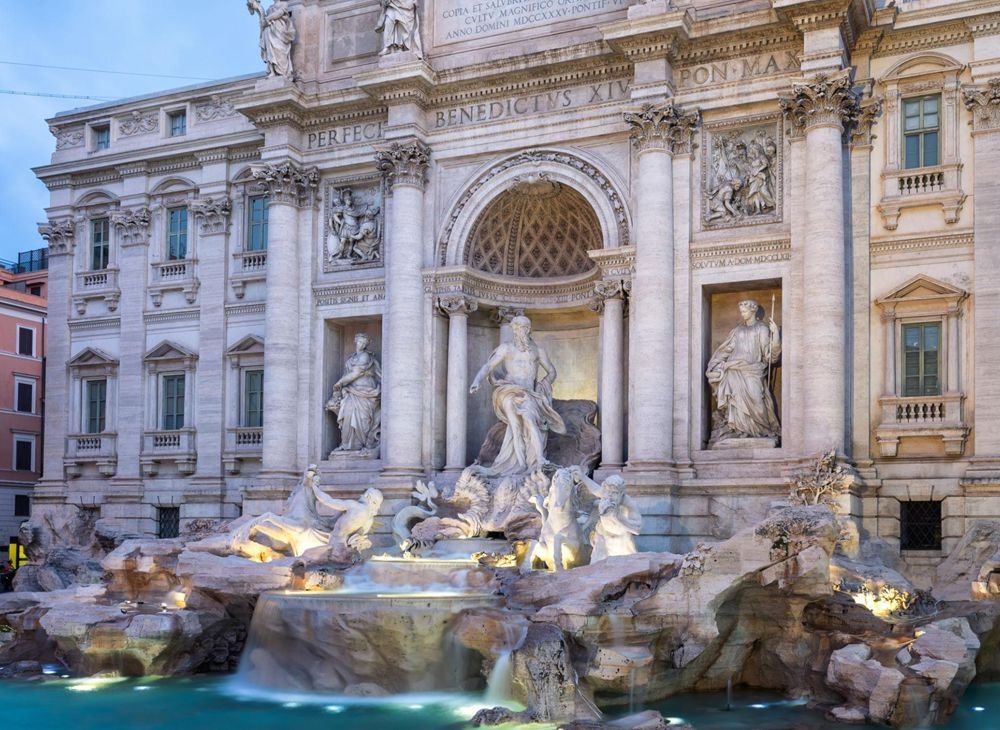
At its center stands Oceanus, the god of the sea, surrounded by Tritons and powerful horses. Unlike static sculptures, the entire composition is full of dramatic movement and emotional intensity, with figures appearing to emerge directly from the surrounding architecture. This theatrical, dynamic effect elevates the fountain far beyond a functional water feature, turning it into a monumental masterpiece of stone-carving artistry.
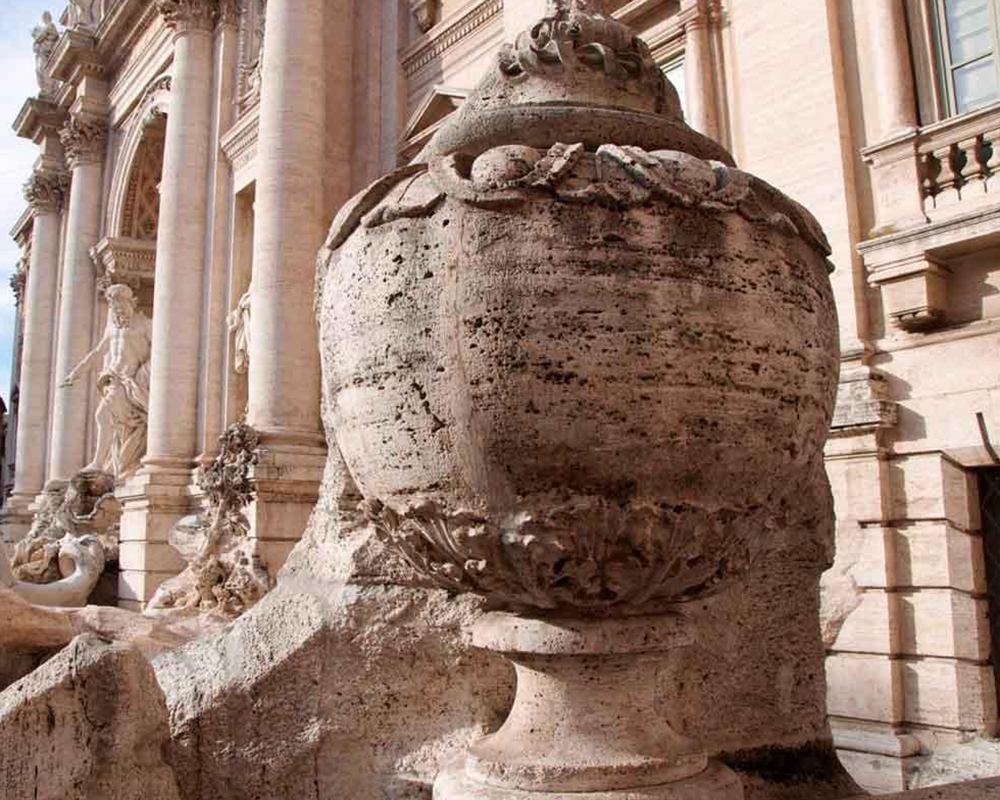
A unique and often overlooked detail is the so-called “Ace of Cups” sculpture on the left side of the fountain. According to popular lore, this element was added to deliberately block the view of a nearby barber who frequently criticized the design during construction. While small in scale, this feature adds a layer of human story and personality to the grand artistic composition.
2. The Famous Coin Toss Tradition
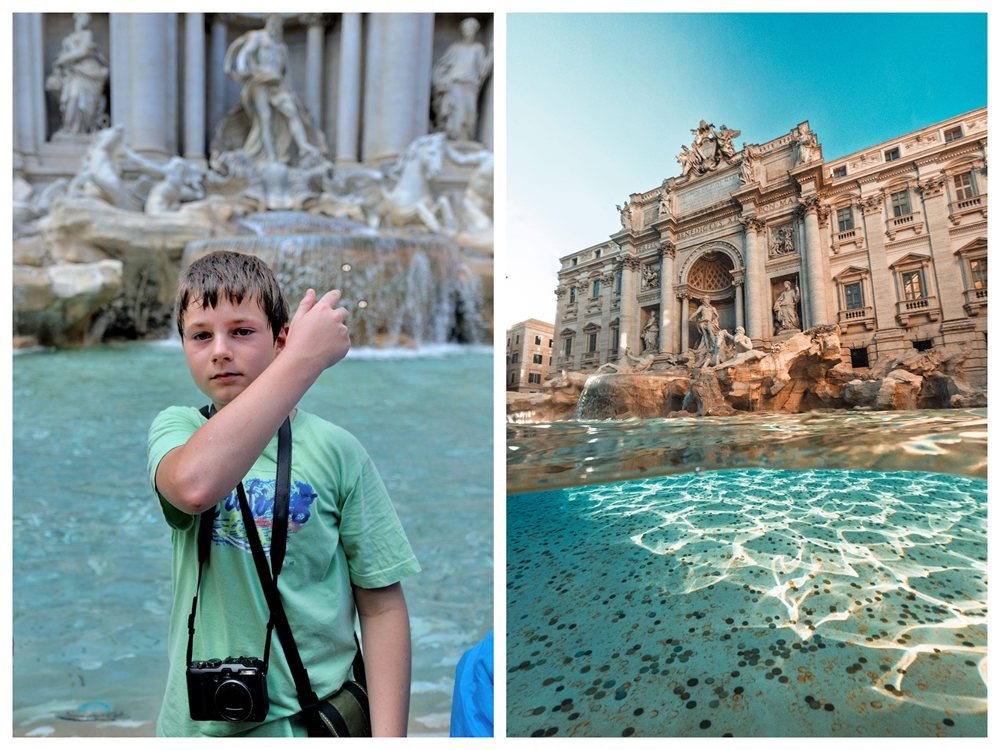
The Trevi Fountain is also famous for its unique coin toss tradition. Visitors throw a coin over their left shoulder with their right hand, believing it will ensure their return to Rome. This ritual has become a global symbol of travel and romance. According to legend, tossing a coin can bring about love or lead to marriage.
An estimated €3,000 is tossed into the fountain each day, and the social phenomenon adds greatly to its cultural significance.
3. Its Role in Iconic Films
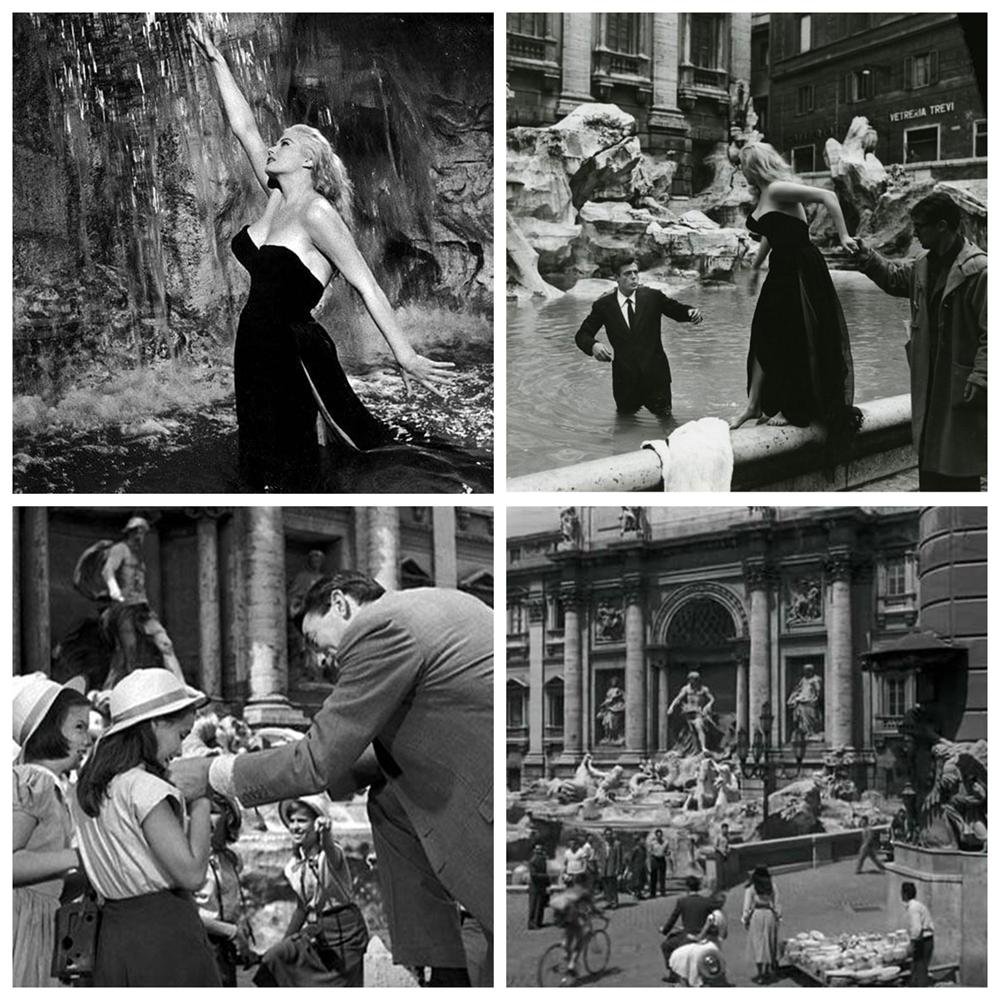
The fountain has achieved worldwide fame through cinema, most iconically in Federico Fellini’s 1960 film, La Dolce Vita. The unforgettable scene of Anita Ekberg wading in its waters turned the landmark into a global symbol of romance, freedom, and “the sweet life”.
It has also appeared in beloved classics such as Roman Holiday and Three Coins in the Fountain, further securing its place in popular culture.
4. Connection to Ancient Roman History (Aqua Virgo)
The fountain isn’t just a decoration; it is a functional part of history. It stands at the end of the Aqua Virgo, an aqueduct built in 19 BCE. For over 2,000 years, this source has brought pure water into the heart of Rome, making the site a sacred symbol of life and engineering.
5. One of the World’s Most Recognizable Landmarks
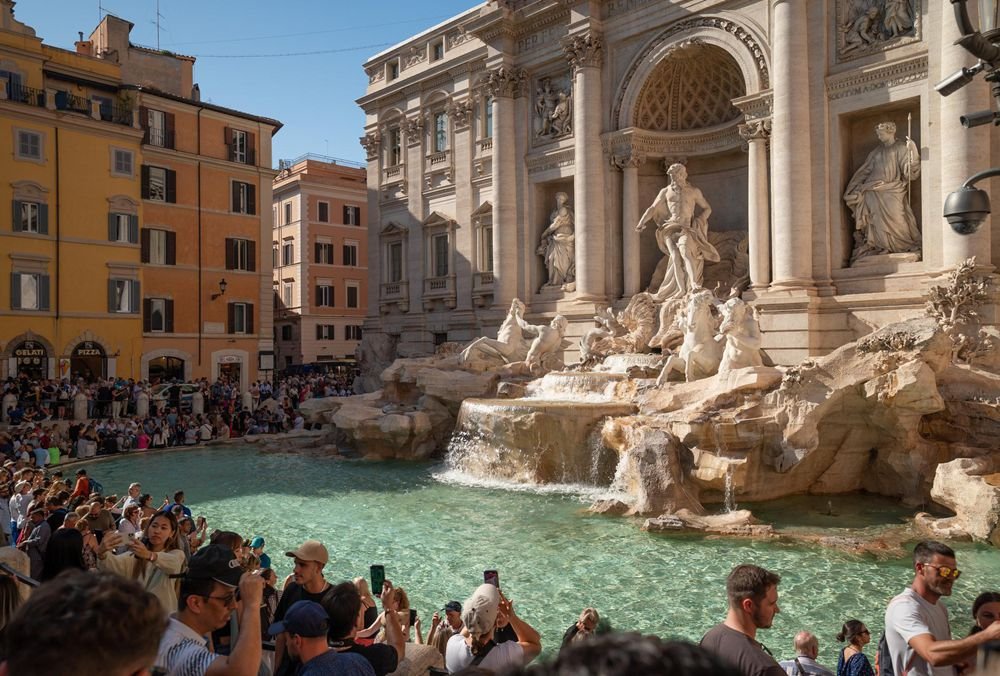
Due to its sheer scale and the way it is tucked into a small, crowded square, the “reveal” of the fountain is breathtaking. It has become a “must-see” bucket-list item, rivaling the Eiffel Tower or the Statue of Liberty in global recognition.
What Does the Trevi Fountain Represent?
The sculptures of the Trevi Fountain are rich in symbolism. Oceanus represents the power of the sea, while the two horses symbolize the changing moods of the ocean—calm and turbulent. The Tritons guide the horses, showing humanity’s relationship with nature. Together, these elements reflect balance, control, and the force of natural elements.
Why Is It Called the Trevi Fountain?
The name “Trevi” comes from the Italian word meaning “three roads.” The fountain is located at the junction of three streets, which is how it got its name. This simple origin contrasts with the grandeur of the monument itself.
Where Is the Trevi Fountain Located?
The Trevi Fountain stands in the heart of Rome, Italy, in Piazza di Trevi within the Quirinale district. Uniquely built against the rear facade of the Palazzo Poli, the fountain and the palace appear as one monumental structure, making it both centrally located and easily accessible to visitors exploring the city.
How Old Is the Trevi Fountain?
The Trevi Fountain was completed in 1762, making it over 260 years old. Despite its age, it remains in excellent condition and continues to function as a working fountain today.
Construction began in 1732. It took 30 years of meticulous hand-carving to reach completion.
Why Is the Trevi Fountain Still Famous Today?
The Trevi Fountain remains one of the most famous landmarks in the world not only because of its history, but also due to its continued relevance in modern culture.
1. Boosted by Global Tourism & Social Media
Today, its popularity is driven by global tourism, with millions of visitors traveling to Rome each year to experience it in person.
The rise of social media has further amplified its fame, as travelers frequently share photos and videos, turning the fountain into a globally recognized travel icon.
2. Artistic Craftsmanship Mastery
Beyond its historical significance, the Trevi Fountain is also admired as a masterpiece of craftsmanship. In an age of mass production, it stands as a powerful example of what can be achieved through artistic vision, skilled labor, and natural materials such as stone.
Its level of detail, scale, and harmony continues to inspire architects, designers, and artists around the world.
3. Funny Tradition: The Coin-Tossing Ritual
In addition, the interactive coin toss tradition keeps visitors actively engaged rather than simply observing the monument.
This combination of participation, artistic excellence, and cultural meaning allows the Trevi Fountain to remain relevant and influential even today.
FAQs
1. Can you visit the Trevi Fountain for free?
Yes, the fountain is located in a public square and is completely free to visit 24 hours a day. However, it is most crowded during midday, so arriving at dawn or late at night offers the best view.
2. What god is represented on the Trevi Fountain?
The central figure is Oceanus, the divine personification of the world-spanning river, not Neptune. He is depicted with a powerful physique, standing on a shell-shaped chariot pulled by two sea horses.
3. What are the three wishes at the Trevi Fountain?
According to legend, throwing one coin ensures your return to Rome; two coins mean you’ll find love; and three coins lead to marriage. All coins must be thrown with your right hand over your left shoulder to work!
4. What happens to the coins thrown into the fountain?
The coins are vacuumed daily by city workers, totaling over €1.5 million annually. The entire amount is donated to Caritas, a Catholic charity that provides food and shelter to those in need.
5. Can you drink the water from the Trevi Fountain?
No, the water in the main basin is recycled and chemically treated, making it unsafe to drink. However, you can find fresh, drinkable water at the “Fontanina degli Innamorati” (Little Fountain of Lovers) located on the right side of the monument.
6. What is the “Ace of Cups”?
The “Ace of Cups” (Asso di Coppe) is a large stone vase on the fountain’s right side, allegedly built by the architect to block the view of a local barber who kept criticizing his work. It remains a famous symbol of Roman wit and artistic rivalry.
7. Why did the Trevi Fountain turn red?
The fountain turned red in 2007 and 2017 because an activist/artist, Graziano Cecchini, poured red dye into the water as a form of protest. Fortunately, the dye did not permanently stain the precious travertine stone.
8. What should you not do at the Trevi Fountain?
It is strictly forbidden to enter or swim in the water, and doing so can result in fines exceeding €450. You should also avoid eating messy foods on the steps and never attempt to pick up coins from the basin.
Final Thoughts
The Trevi Fountain is famous not only for its stunning design but also for its cultural traditions, historical significance, and global influence. From its Baroque artistry to its iconic coin toss ritual, it continues to capture the imagination of visitors from around the world. Its enduring popularity proves that it is far more than just a fountain—it is a symbol of Rome itself.
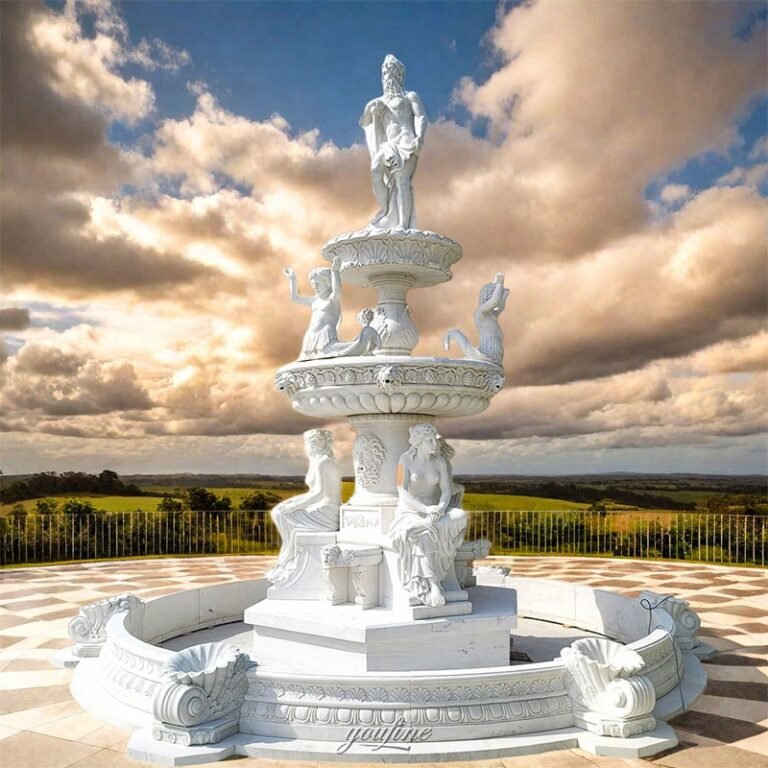
After you’ve learned its history and beauty, would you like to bring a Trevi Fountain replica to your courtyard, garden, manor, resort, or castle? Contact us, and your vision could be turned into reality. The size, material, and style could all be customized. Moreover, many successful cases could be shared with you.