As a professional outdoor fountain supplier, I frequently receive inquiries from clients who want fountains to enhance the landscape and also to conform to Feng Shui principles. Common applications include private estates, luxury gardens, hotel resorts, and real estate projects. So what exactly is the relationship between water fountains and Feng Shui, and what practical suggestions can be used? This blog will provide you with comprehensive answers to these questions, helping you create a more harmonious outdoor environment.
1. Why Water Matters in Feng Shui
In traditional feng shui theory, the universe is composed of five elements: water, wood, fire, earth, and metal. Among these elements, water is closely associated with wealth, opportunity, and the flow of life energy (Chi).
Water represents: Prosperity and financial growth, smooth energy circulation, renewal and vitality, emotional balance and relaxation.
Because water naturally moves and circulates, it is believed to activate stagnant energy and attract positive opportunities. This is why water features such as fountains, ponds, and waterfalls are commonly used in both residential and commercial landscapes.
2. Benefits of Feng Shui Water Fountains
Installing a fountain in the right location can bring both aesthetic and symbolic benefits. Many feng shui practitioners believe that a well-placed fountain can enhance the overall atmosphere of a space.
2. 1 Attract Wealth and Prosperity
In feng shui, flowing water symbolizes money flowing toward the property. This is why fountains are often placed near entrances, gardens, or commercial plazas.
2.2 Improve Energy Flow (Chi)
Moving water helps activate stagnant energy and encourages the smooth flow of positive Chi, creating a more harmonious environment.
2.3 Reduce Stress and Improve Mood
The sound of flowing water has a calming effect. Many homeowners install outdoor fountains to create a peaceful and relaxing garden atmosphere.
2.4 Enhance Landscape Value
Large fountains are widely used in:
luxury villas
hotels and resorts
real estate entrances
public squares
These fountains not only enhance feng shui symbolism but also increase the visual impact of the space.
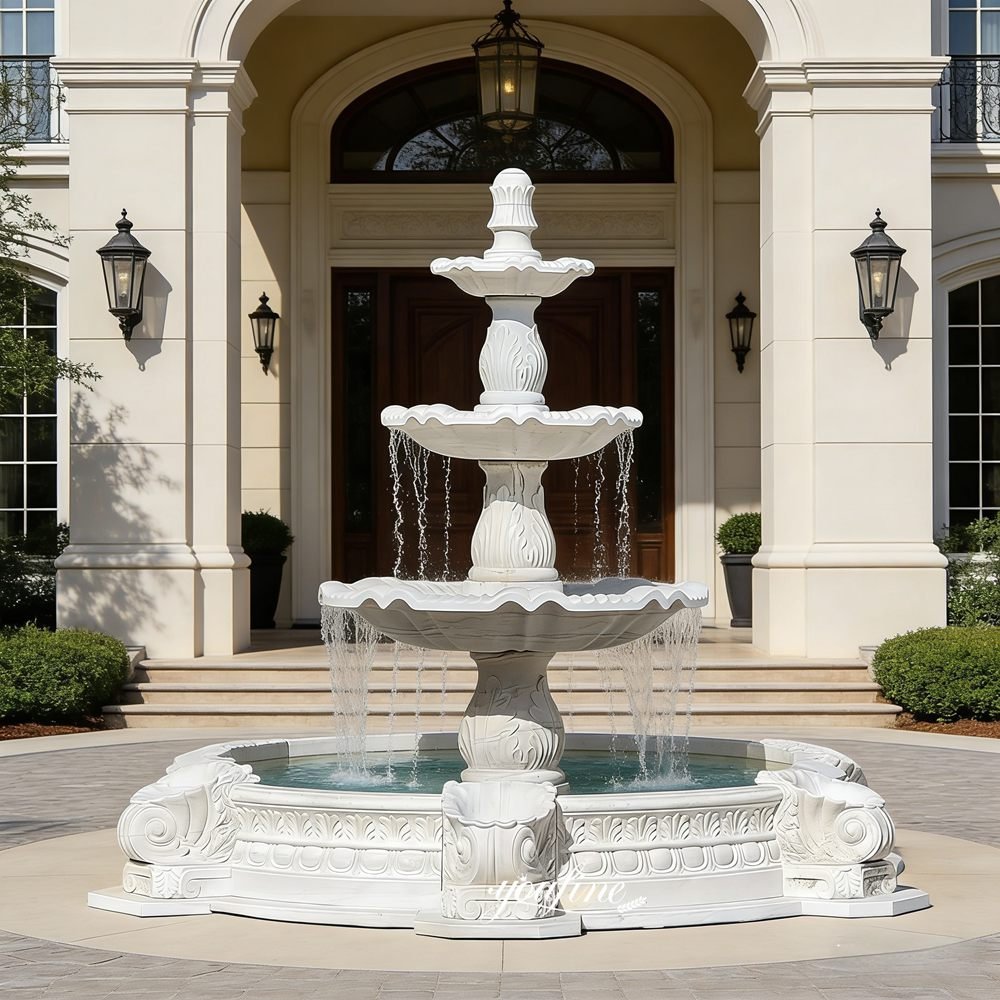
3. Best Feng Shui Fountain Placement Outside the Home
Proper feng shui water fountain placement is one of the most important factors. The right location allows the fountain to enhance energy flow while improving the visual balance of the landscape.
Below are some commonly recommended outdoor placements.
| Placement Area | Feng Shui Meaning | Typical Application |
|---|---|---|
| Front yard or entrance | Attracts wealth and opportunities | Villas, residential homes |
| Garden center | Balances energy and creates harmony | Private gardens and estates |
| Near pathways or courtyards | Encourages smooth energy movement | Landscape design |
| Commercial entrance | Symbolizes prosperity and success | Hotels, real estate projects |
4. Feng Shui Fountain Direction Guide
In feng shui, different directions correspond to different life aspects. Choosing the right feng shui water fountain direction can strengthen certain types of energy.
| Direction | Feng Shui Meaning | Recommended Use |
|---|---|---|
| North | Career and life path | Office buildings, commercial areas |
| East | Health and family harmony | Residential gardens |
| Southeast | Wealth and prosperity | Business entrances, villas |
| West | Creativity and children | Cultural or artistic spaces |
Among these directions, Southeast is often associated with wealth, which is why many business properties place fountains in this area.
5. Where You Should NOT Place a Fountain
While fountains can enhance energy, incorrect placement may create an imbalance. Here are several locations generally avoided in feng shui design.
Behind the House
Water behind a house may symbolize a lack of support or instability.
Near Bedrooms
The constant movement of water may disturb rest and relaxation.
Facing Directly Away from the Property
Water flowing outward could symbolically represent wealth leaving the property.
Areas with Dirty or Stagnant Water
In feng shui, clean and moving water represents prosperity, while stagnant water may represent blocked energy.
6. How to Choose a Suitable Feng Shui Fountain?
In Feng Shui theory, all things are composed of five elements: metal, wood, water, fire, and earth. Fountains made of different materials correspond to different elements. When choosing a Feng Shui fountain, you can select the appropriate material based on the space’s style, functional needs, and Feng Shui symbolism.
6.1 Fountain Material Comparison
Earth Element – Marble Fountain
Natural stone is generally considered to belong to the earth element, representing stability, foundation, and inclusiveness. Marble fountains are not only dignified, classic, and durable, but also symbolize a solid foundation of wealth and long-term development.
Therefore, marble fountains are very suitable for estate gardens, real estate project entrances, and large plaza landscapes, creating a stable and magnificent atmosphere.
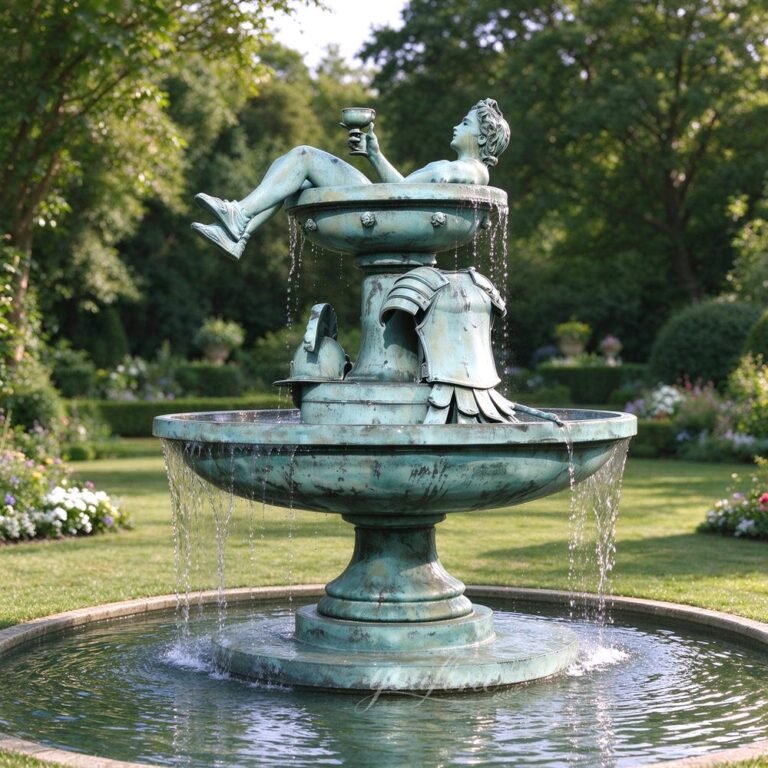
Metal Element – Bronze and Stainless Steel Fountains
Metal corresponds to the metal element in the Five Elements theory, symbolizing wealth, power, and success.
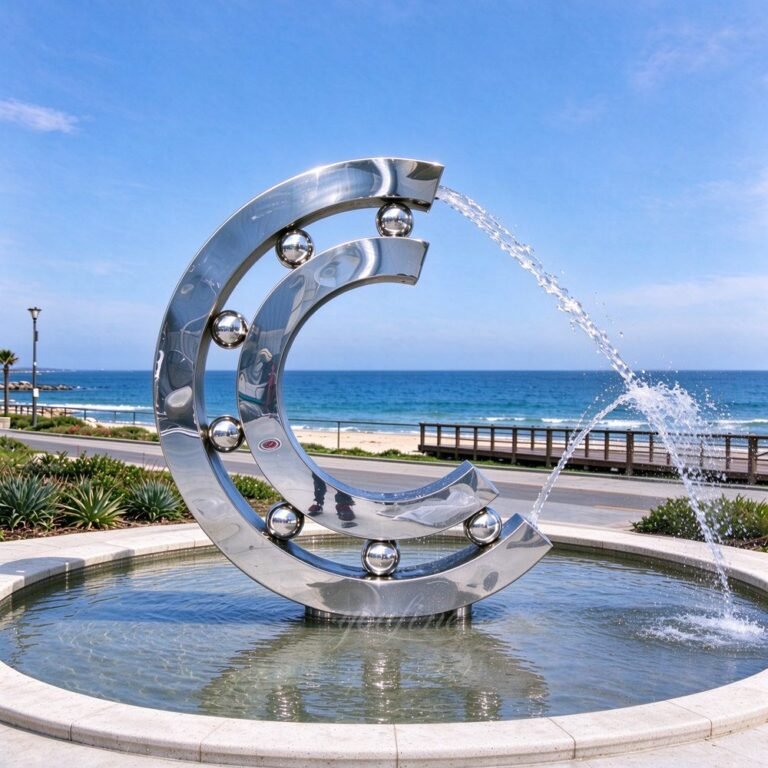
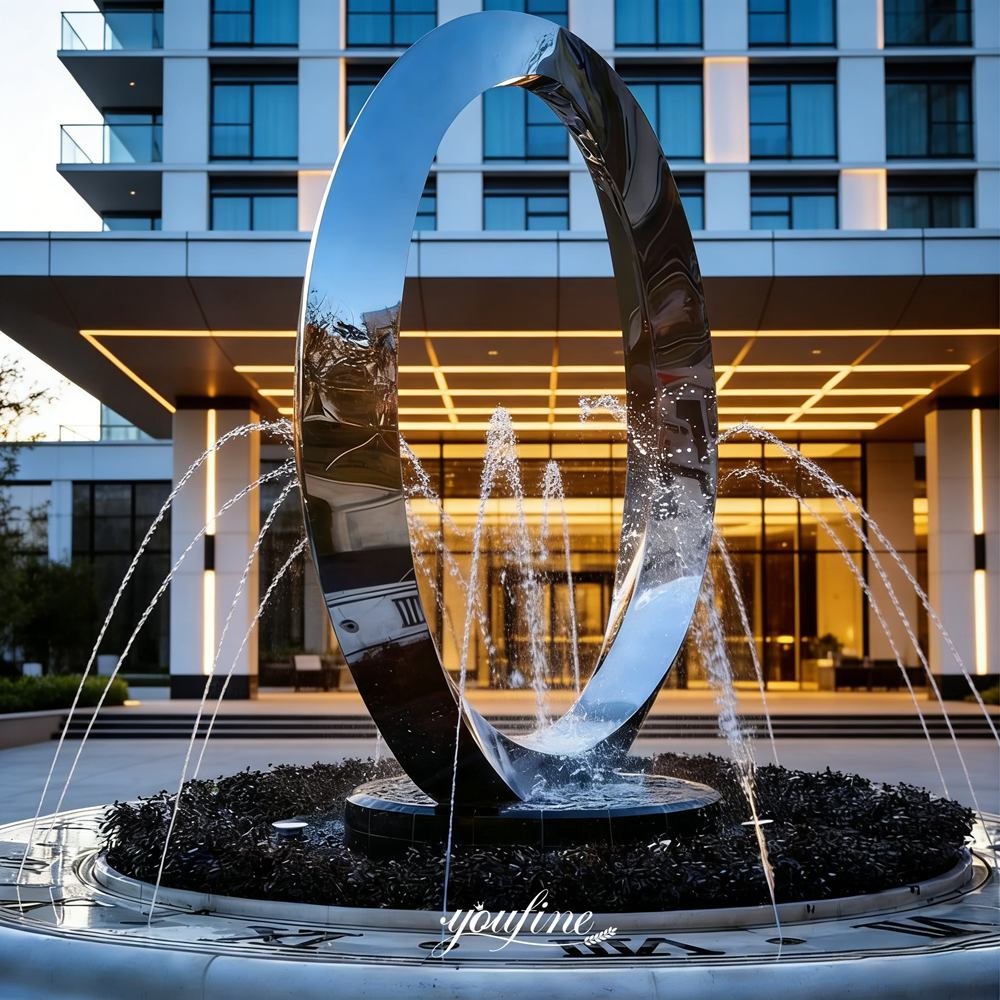
Bronze fountains have a strong artistic and historical feel, commonly found in traditional courtyards and cultural landscapes, while stainless steel fountains are more modern and can reflect the surrounding environment, enhancing the visual depth of the space.
Metal fountains are ideal for use in hotels, commercial plazas, and modern landscape designs.
6.2 Popular Feng Shui Fountain Styles
Common outdoor designs include:
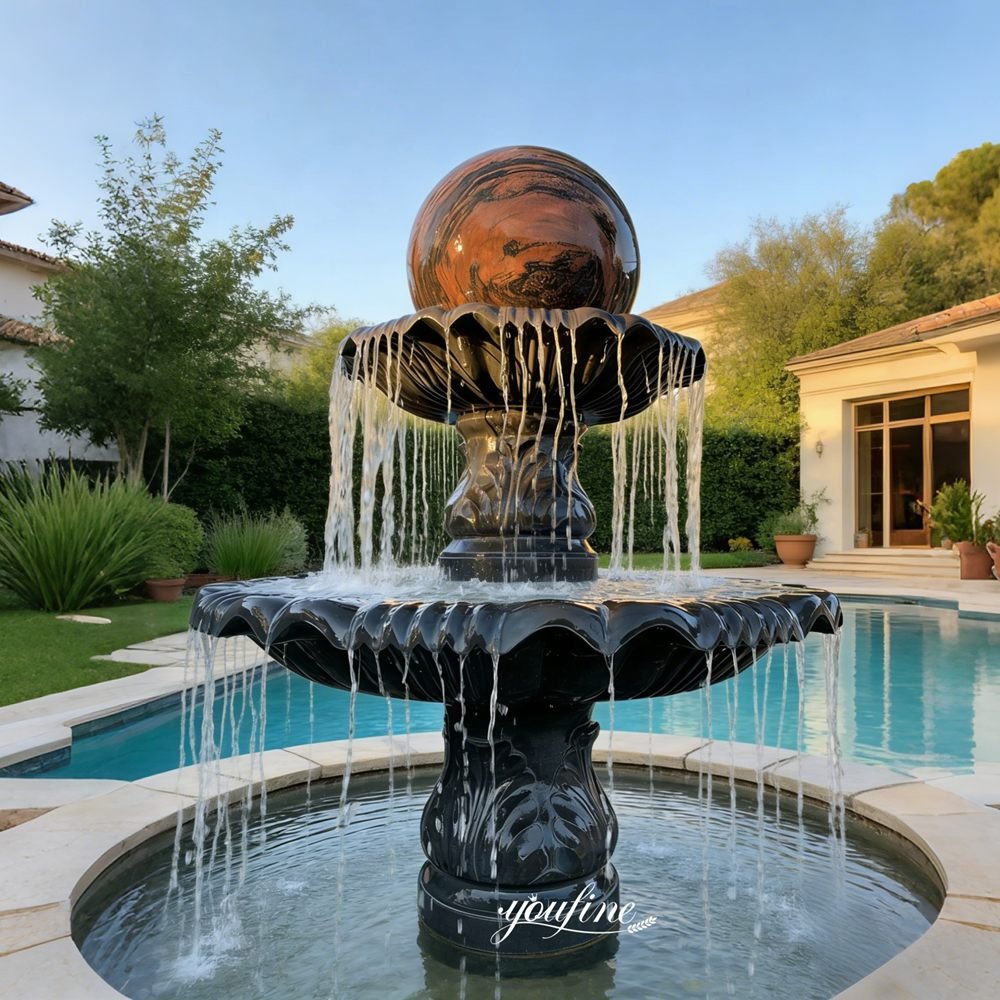
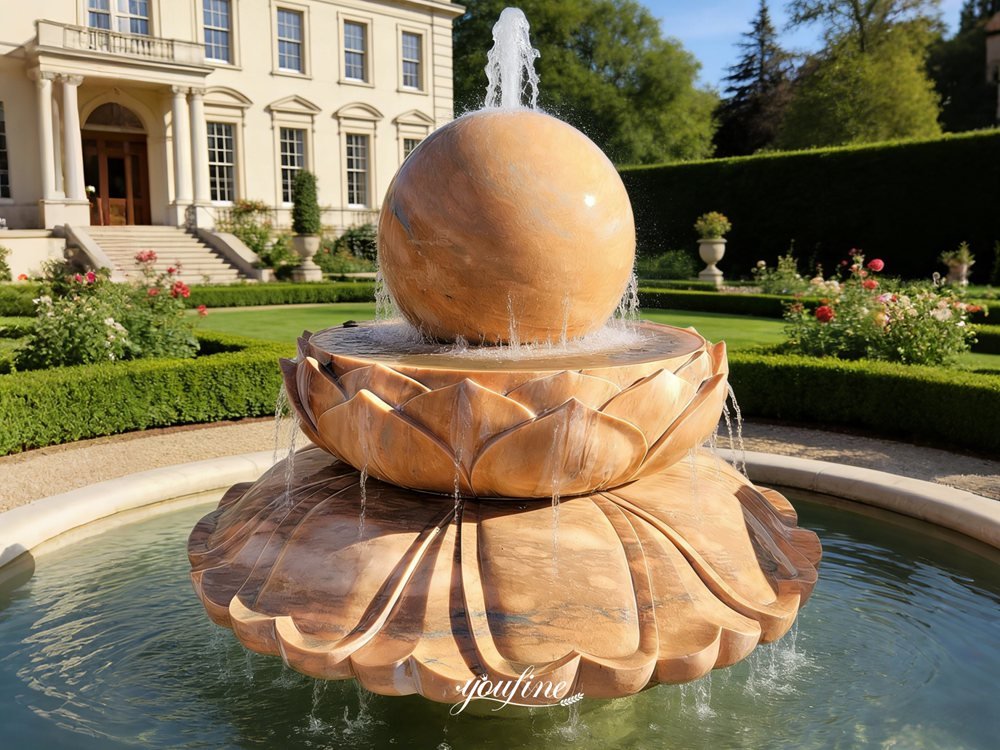
Sphere fountains – symbolizing harmony and continuous energy
Tiered fountains – classic European garden style
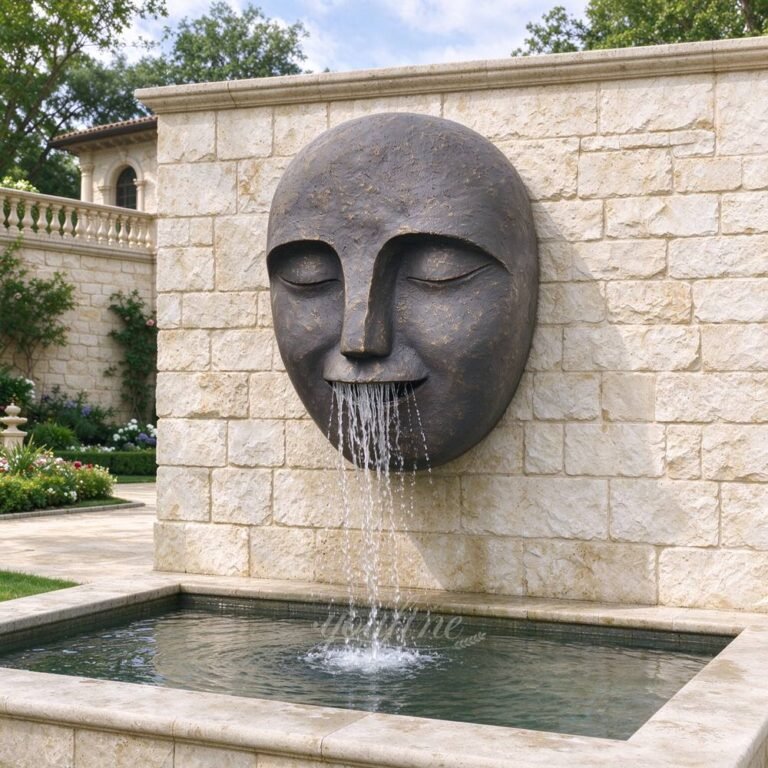
Wall fountains – suitable for courtyards and enclosed spaces
Metal abstract water features – ideal for contemporary landscapes
7. How to Maintain a Feng Shui Water Feature?
In Feng Shui, flowing water represents active and healthy energy; therefore, fountain maintenance is very important.
Maintenance recommendations include:
Maintaining water circulation
Regularly cleaning the water pump
Removing leaves and debris from the water
Maintaining a stable water level
Regularly checking the equipment’s operational status
8. Real Cases Sharing
With over 40 years of experience in outdoor fountain manufacturing and global sales, we have customized satisfactory feng shui fountains for many clients. They have consistently expressed that the fountains are of excellent quality and have significantly improved their living environment, bringing them a greater sense of peace and stability.
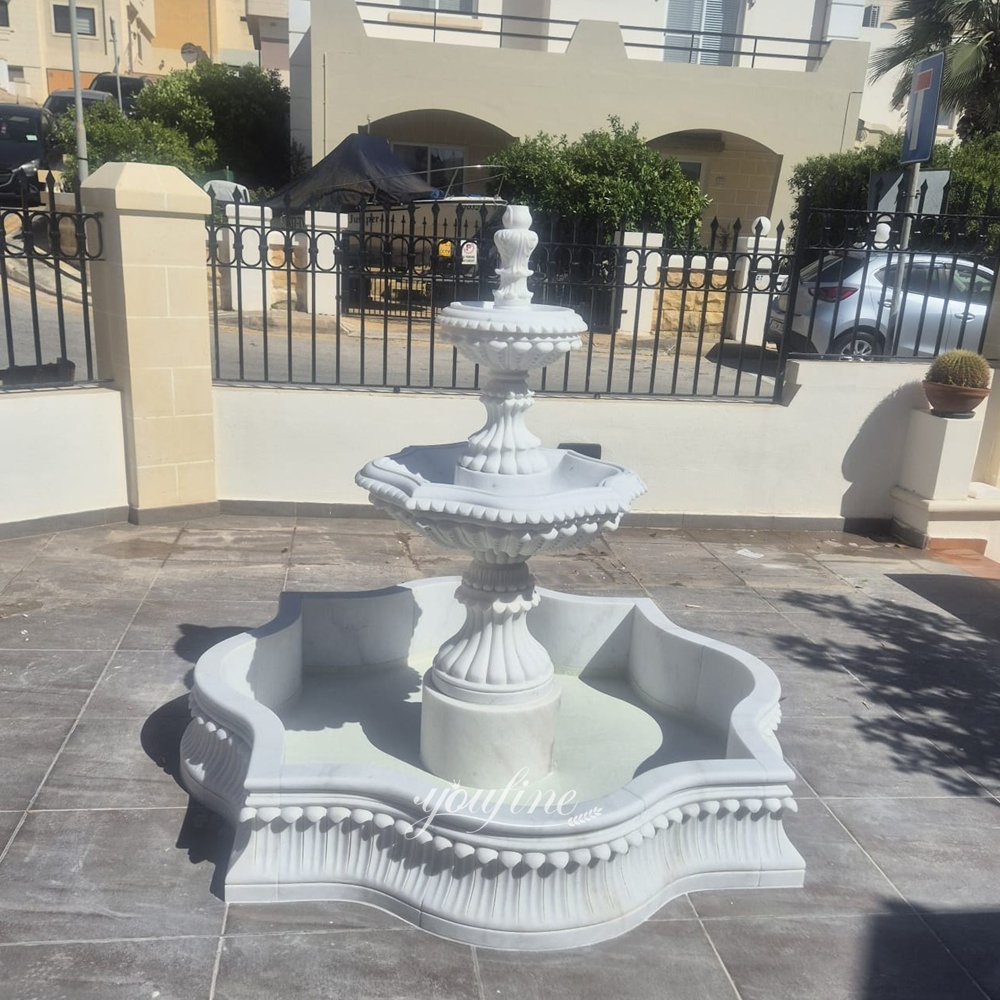

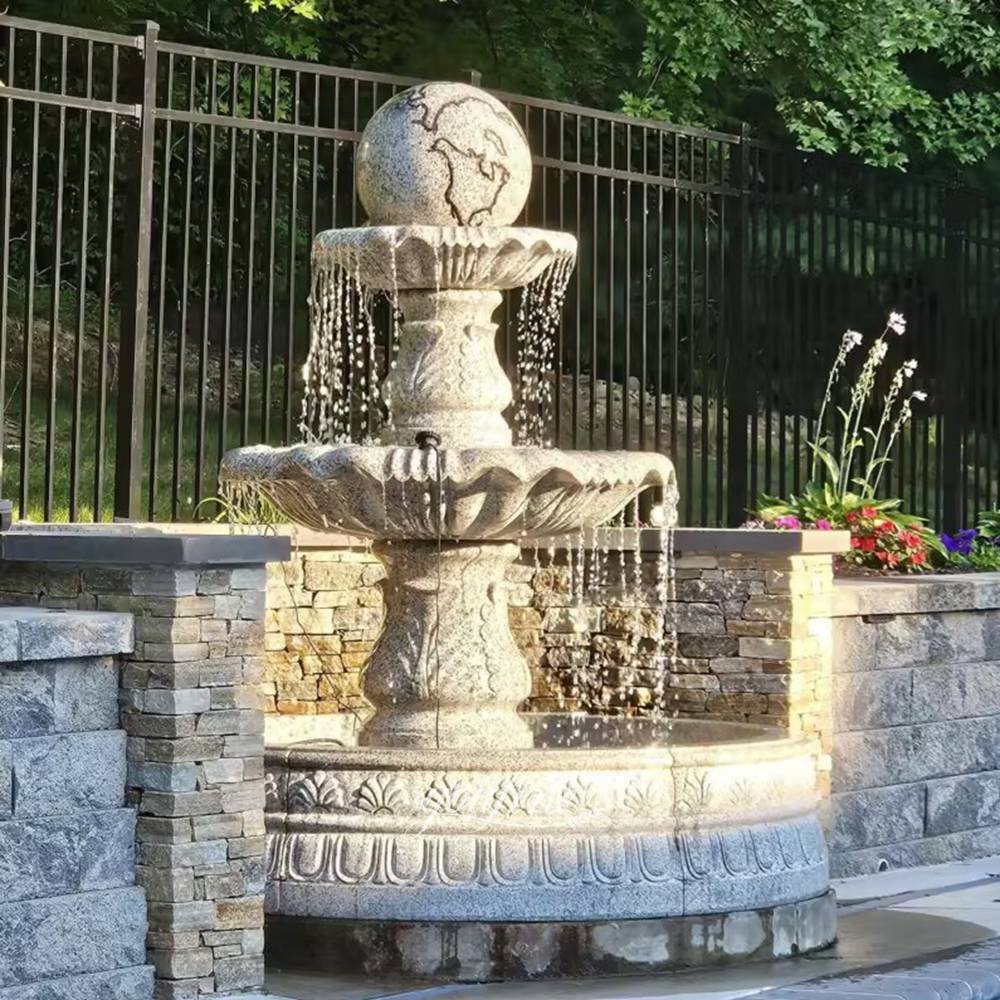
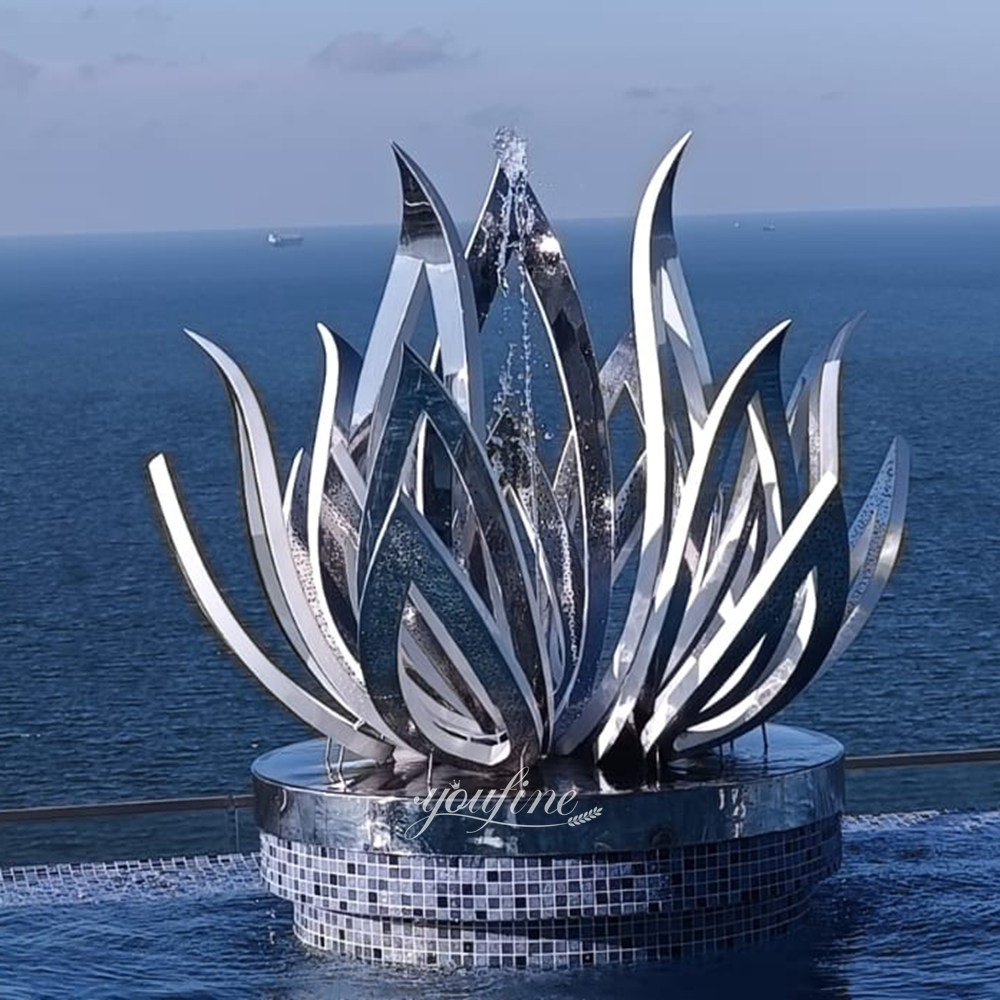
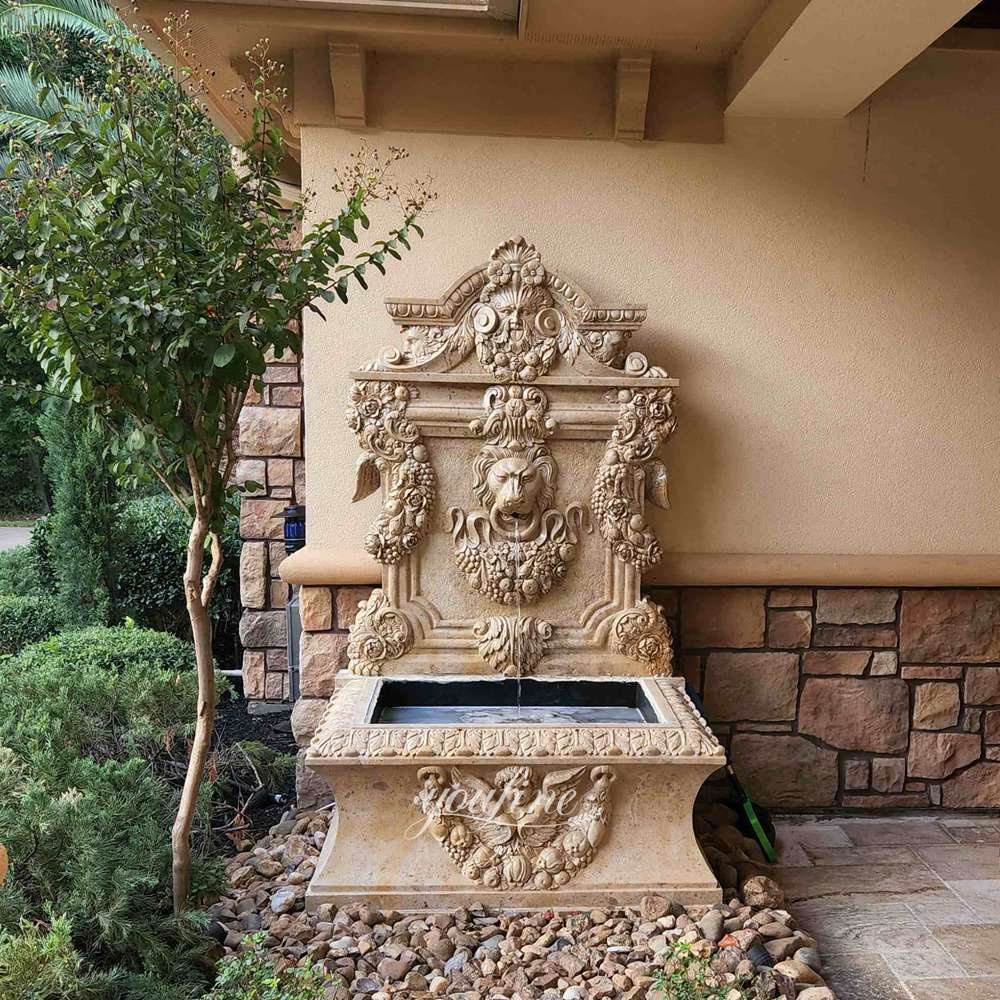
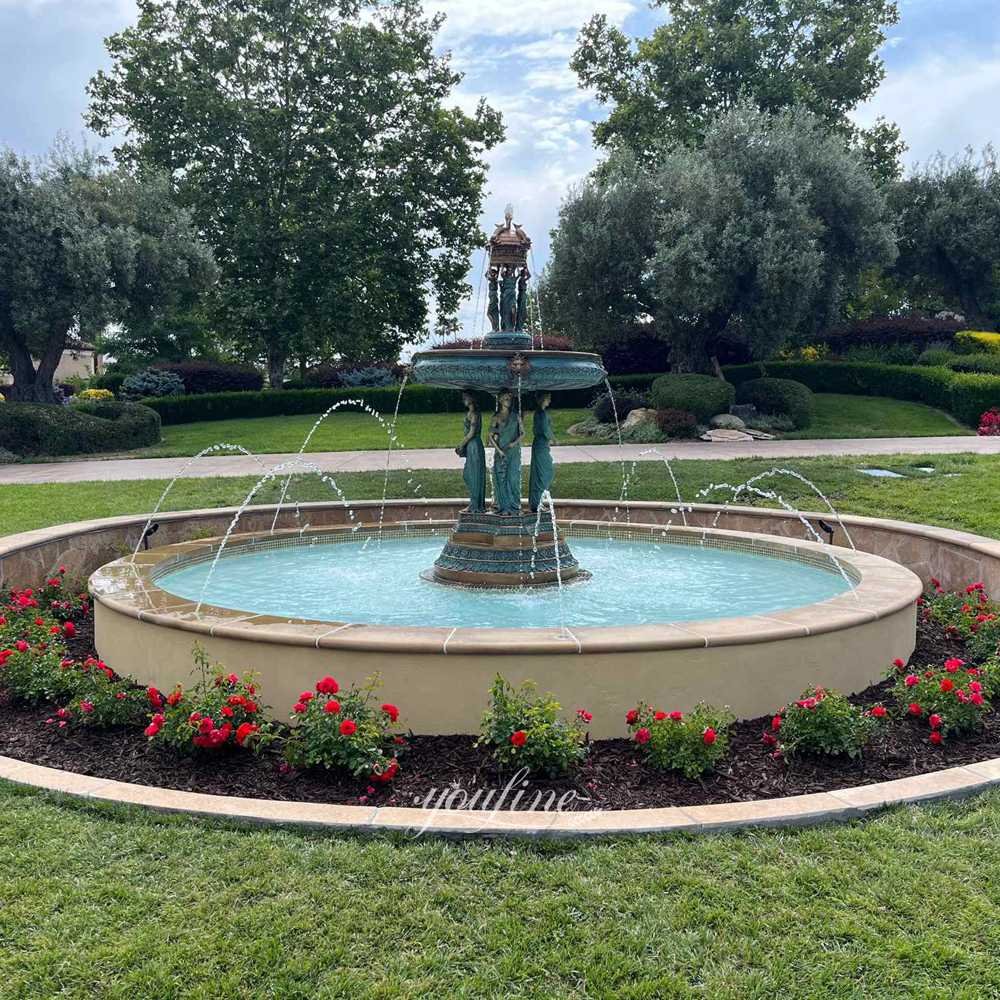
Therefore, if you also need a feng shui water fountain to beautify your landscape and improve your living environment, please contact us directly. As a one-stop outdoor fountain supplier, we specialize in a variety of materials, including marble, bronze, stainless steel, and corten steel, ensuring your satisfaction.
9. FAQ
9.1 Is it good to keep a fountain at home?
Yes, it’s good to have a fountain at home. From a Feng Shui perspective, it symbolizes attracting wealth and increasing vitality, and it also beautifies the courtyard.
9.2 What elements should be added around a fountain to improve Feng Shui?
Planting greenery (wood), installing light decor (fire), and paving the path with gravel (earth) balances the five elements and enhances the energy field.
9.3 Why do many people prefer sphere fountains?
The sphere symbolizes completeness and circulation, and the flowing water symbolizes the continuous flow of wealth and good fortune.
9.4 Should I leave my fountain on all the time?
It’s recommended to keep it running. Running water is better for Feng Shui and water quality. Don’t let the water stagnate for long periods.
9.5 Why do people put pennies in a fountain?
It’s a traditional wishing custom, symbolizing attracting wealth and praying for blessings. Now it’s mostly a fun cultural tradition.
9.6 How often should you change the water in a fountain?
Small fountains need their water changed every 1-2 weeks; large fountains have a circulation system, so partially changing the water monthly and cleaning regularly is recommended.