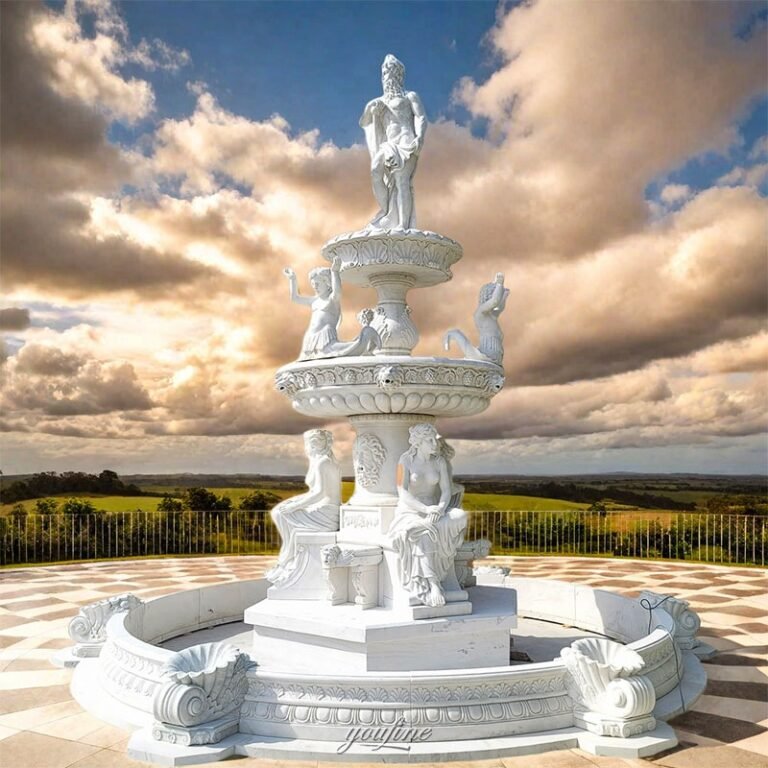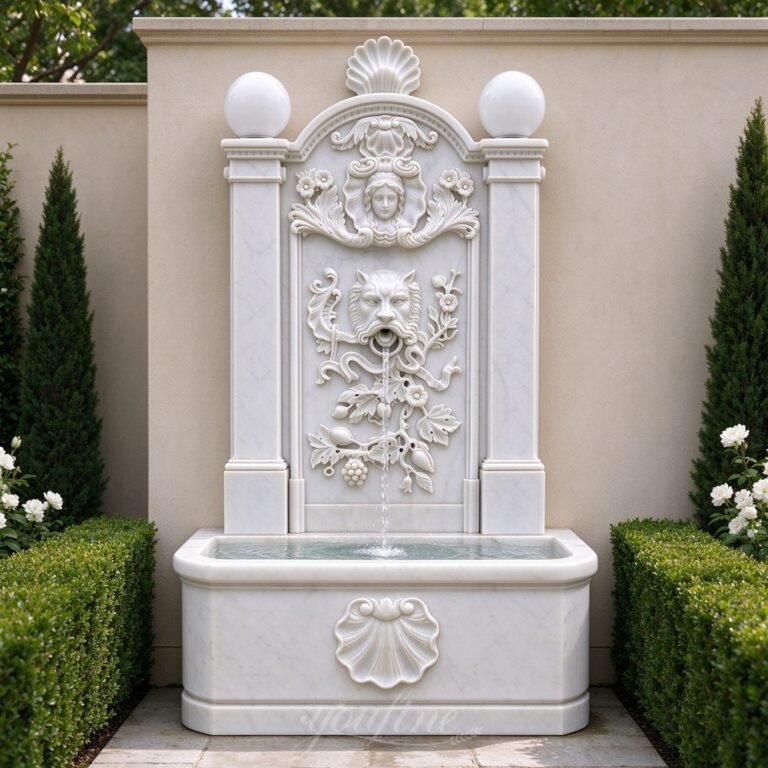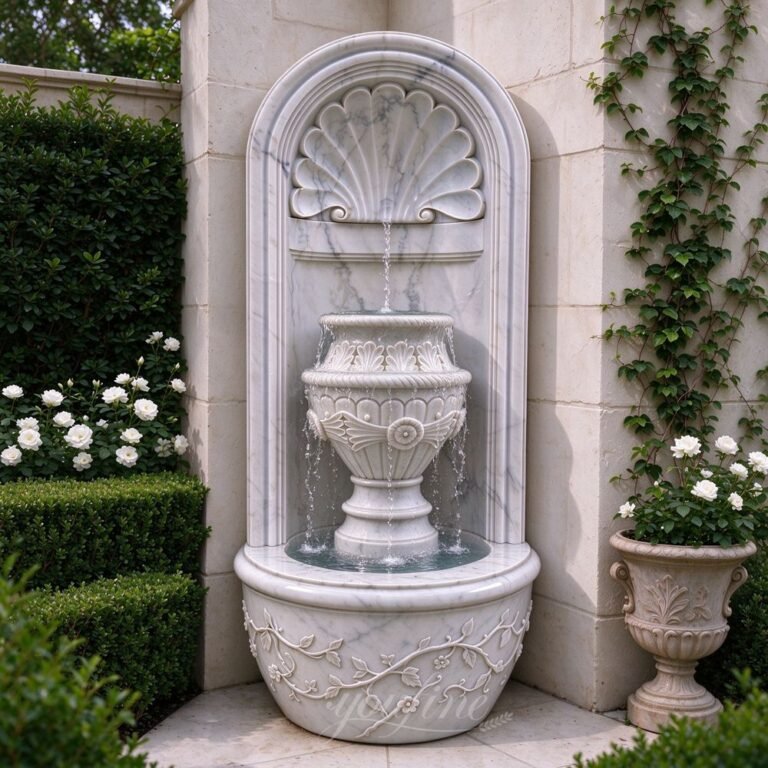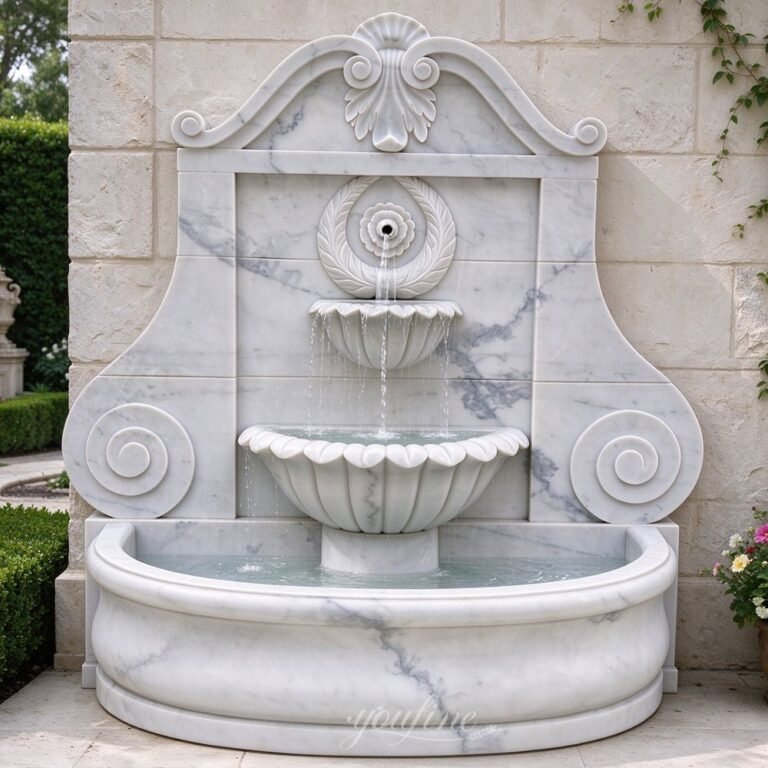
When thinking about adding a water fountain to a garden, courtyard, plaza, or foyer, most people naturally look at the design first. It is easy to get drawn to a striking silhouette or intricate carvings. Yet, the single most important decision often gets overlooked: the material of the fountain.
The material is what truly decides how long your fountain will last, how much effort it takes to clean, and how naturally it blends with your architectural style. Choosing the wrong material can lead to rust, cracks, or fading colors within just a year or two—not only ruining its beauty, but also costing time and money to fix.
In this guide, we will walk you through the most popular fountain materials in plain, straightforward language. We will look at their pros, cons, and best-fit settings so you can easily find the perfect match for your space.
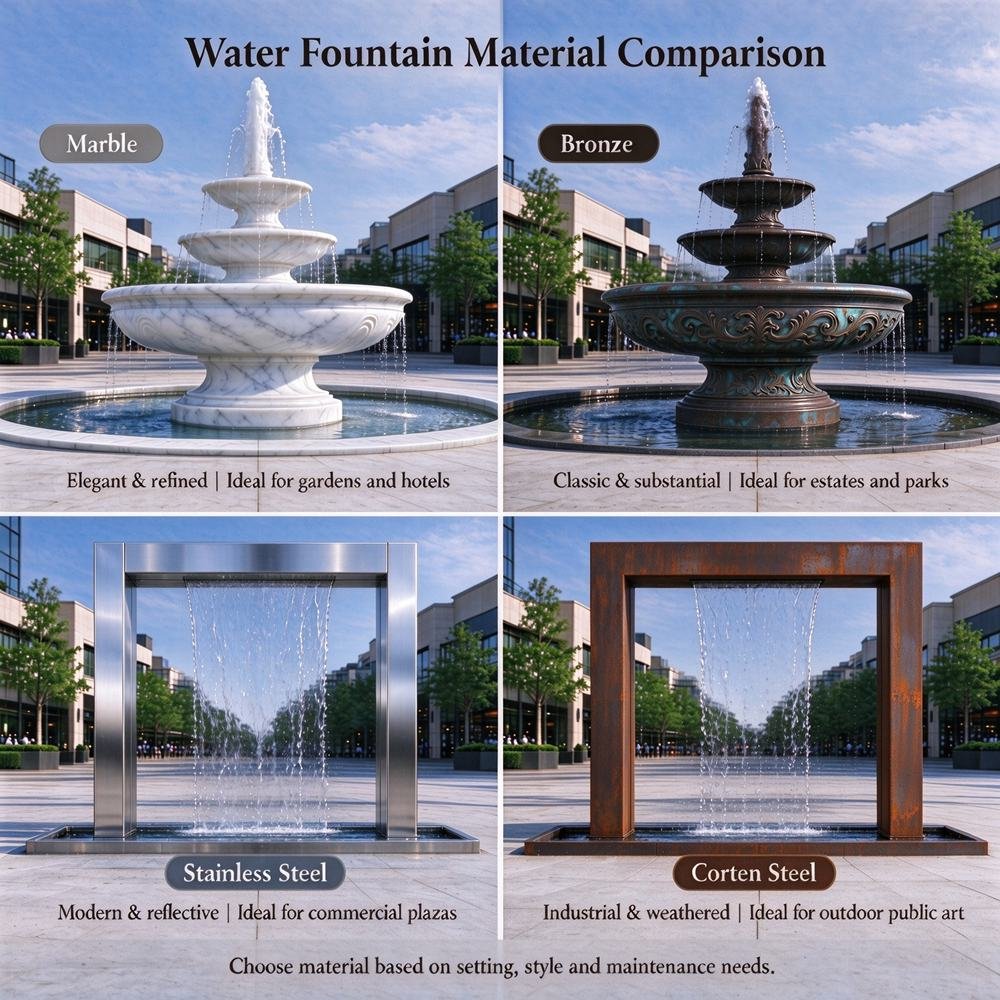
Five Key Questions to Ask Before Choosing a Material
Before diving into specific materials, taking a moment to reflect on these five simple questions will help narrow down your options quickly:
- Where will it be placed, and what is your local climate like?
- Indoor or outdoor? Indoor fountains do not face harsh weather, but outdoor fountains must withstand sun, rain, and temperature shifts.
- How cold are your winters? Does the temperature drop below freezing (risking freeze-thaw cracking)? If you live near the coast, is there salty, humid sea air all year round?
- What is your architectural and garden style?
- Is it a classic European estate or French-inspired manor? A clean, modern minimalist patio? Or a lush, rustic cottage garden?
- What is your overall budget?
- It helps to consider not just the initial purchase price, but also shipping, installation, and long-term maintenance costs over the years.
- How long do you expect it to last?
- Is it a temporary display for an event or commercial pop-up (1–2 years)? Or a permanent landmark meant to grace your home for decades or even generations?
- How easy is it for you to maintain?
- Do you have dedicated staff or gardeners? Are you happy to spend a little time each season cleaning it, or do you prefer a “set-it-and-forget-it” material?
Comprehensive Breakdown of Fountain Materials: Three Main Categories
Category 1: Statement Metals
Metal water features offer clean lines, immense artistic versatility, and zero risk of brittle freeze-thaw stone cracking.
1. Cast Bronze
If you love a dignified, substantial presence reminiscent of museum-grade sculptures, a cast bronze fountain is usually the gold standard.
- Core Characteristics: Typically created using traditional lost-wax casting. This process captures facial expressions, intricate details of figures and wildlife, and flowing reliefs with remarkable delicacy.
- Key Advantages:
- Generational Durability: Bronze has high tensile strength and resilience. It withstands harsh winter freezes without cracking and easily lasts decades or even centuries.
- Ages Gracefully: Over time and with natural exposure to air and moisture, bronze develops a warm, protective patina that adds timeless character and depth.
- Things to Keep in Mind:
- Higher initial cost due to raw materials and skilled casting labor.
- Bronze fountains are very heavy and require a solid, level concrete foundation before installation.
- Winter care tip: While bronze itself does not crack in freezing cold, always drain the internal water pipes and pump before winter to prevent expanding ice from damaging internal fittings.
- Best Suited For: European-style private estates, classic villa centerpieces, public civic squares, and heirloom landscape art.

2. Stainless Steel (Grade 304 / 316)
If you appreciate crisp lines, modern minimalism, or sleek architectural visuals, a stainless steel fountain makes a stunning impression.
- Core Characteristics: Available primarily in two popular finishes: mirror-polished (reflecting water ripples, blue skies, and garden lighting like a mirror) and brushed/satin (subtle, understated, and fingerprint-resistant).
- Key Advantages:
- Corrosion-Resistant & Easy to Clean: Its smooth, non-porous surface resists dirt, algae, and grime. A quick rinse and wipe-down with a soft cloth keeps it looking brand new.
- Boundless Design Freedom: Perfect for geometric spheres, sleek curved sculptures, cascading water walls, and contemporary abstract water curtains.
- Things to Keep in Mind:
- Sheet Thickness Matters for a Flat Mirror Finish: Outdoor fountains face hot summer sun and continuous water turbulence. Professional outdoor water features should use a solid thickness of 3 to 4 mm or more, supported by an internal welded structural frame. Lighter, thinner sheets can warp or show wavy distortions (an “oil-canning” funhouse mirror effect) under heat and water weight.
- Choose the Right Grade: Standard Grade 304 works wonderfully for most gardens. However, if your fountain sits near the ocean or beside a chlorinated swimming pool, always opt for marine-grade 316 stainless steel for superior salt and chemical resistance.
- Best Suited For: Modern minimalist courtyards, commercial plazas, luxury residential developments, corporate lobbies, and sleek resort poolside settings.

3. Corten Steel (Weathering Steel)
If your garden leans toward organic naturalism, Japanese wabi-sabi, or an industrial edge, a Corten steel fountain has become a favorite among modern landscape designers.
- Core Characteristics & Pre-Weathering Craft:
- Clearing Up the “Runoff Staining” Myth: Many people hesitate with Corten steel, worrying it will shed messy rust flakes and stain light-colored patio stones with yellow water. This typically only happens with untreated raw steel bought from budget sellers.
- Professional Factory Pre-Weathering & Sealing: High-quality Corten fountains undergo a controlled chemical patina process at the factory. Excess loose rust is washed away, and a specialized clear stabilizing sealant is applied to lock the rich amber-brown oxide skin securely onto the steel.
- Out-of-the-Box State: When your fountain arrives, it already boasts an even, mature, warm rust patina, ready to run without heavy staining.
- Key Advantages:
- Unique “Protective Patina” Mechanism: The dense surface rust actually acts as a protective shield, sealing the underlying steel from further atmospheric corrosion.
- Effortless Maintenance: No need for touch-up paint or protective coatings. The warm earthy rust tone complements green foliage and falling water beautifully, growing richer with age.
- Professional Installation Tip: For total peace of mind, run the fountain for its first 24 hours of test circulation and flush that initial water. If placed directly over expensive, porous white marble pavers, consider framing the fountain base with a bed of dark river pebbles. This catches any incidental water splashes while adding an elegant textural contrast.
- Best Suited For: Contemporary industrial gardens, naturalistic meadows, tiered rill water chutes, and botanical garden walkways.
A Quick Word on Cast Iron or Wrought Iron:
We are often asked if standard painted iron works for an outdoor fountain. In general, we do not recommend regular iron for permanent water features. When submerged continuously, paint inevitably bubbles and peels, leading to deep rust, flaking, and eventual leaks. If you love a darker, vintage metal look, cast bronze or sealed Corten steel is a far more reliable long-term investment.

Category 2: Natural Stones
Natural stone possesses an authentic, grounded dignity. The gentle, rounded sound of water cascading into a deep stone basin creates an atmosphere of serene tranquility.
1. Natural Marble
Marble has been the crowning jewel of European palaces and royal gardens for centuries. Its natural warmth and subtle veining cannot be replicated by any synthetic material.
- Core Characteristics: Hand-carved from solid natural stone blocks by skilled stonemasons. Classic choices include pure Carrara/White Marble, warm Sunset Red, and earthy Travertine/Beige stone. Each piece features a truly one-of-a-kind natural grain.
- Key Advantages:
- Exceptional Artistic Value: Ideal for fine, delicate carvings—from mythological figures and lion-head spouts to tiered cascades and acanthus leaf reliefs.
- Gentle, Resonant Water Acoustics: Water spilling into thick stone bowls produces a soft, deep, and soothing sound that offers wonderful ambient acoustic relaxation.
- Things to Keep in Mind:
- Natural stone has microscopic pores. Applying a breathable stone sealer upon installation helps guard against water mineral buildup and leaf staining.
- In cold northern winters, always drain the water basin and cover the fountain before freezing temperatures set in, protecting fine hand carvings from expanding ice.
- Best Suited For: French and English manor grounds, neoclassical private gardens, upscale wedding venues, and luxury hotel entry courtyards.

2. Granite
If your goal is a fountain that stands unyielding against the elements for decades with virtually no upkeep, granite is the undisputed champion of weather resistance.
- Core Characteristics: Incredibly dense and hard, granite represents the pinnacle of outdoor durability among all natural stones.
- Key Advantages:
- Resilient Against Freezing & Weathering: It shrugs off severe blizzards, intense summer sun, acid rain, and windblown sand without cracking or deteriorating.
- Very Low Maintenance: With near-zero water absorption, granite rarely stains or yellows, making it exceptionally cost-effective over its entire lifespan.
- Things to Keep in Mind:
- Due to its immense hardness, intricate flowing carvings are cost-prohibitive to produce. Granite fountains therefore emphasize clean geometric shapes, rugged natural boulders, or textured rustic finishes.
- Best Suited For: Public municipal parks, residential community gates, busy civic plazas, and outdoor landscapes in harsh, windy, or sub-zero climates.

Category 3: Lightweight Composites
Resin & Fiberglass
When browsing online retail marketplaces, the most affordable and widely available water features usually belong to this group. They are best regarded as an accessible, transitional choice.
- Core Characteristics: Molded from synthetic polymers and fiberglass, these fountains are very lightweight and can mimic the surface appearance of stone, cast bronze, or aged wood.
- Key Advantages:
- Low upfront cost, lightweight enough for two people to move easily, and virtually plug-and-play installation.
- Key Limitations (The Reality):
- Limited Outdoor Lifespan: Strong outdoor UV rays typically cause the painted surface to peel, chalk, or fade within 2 to 3 years.
- Vulnerable to Wind & Cold: Because they lack weight, they can tip over in strong storms, and the plastic resin becomes brittle and prone to cracking in freezing temperatures.
- Lacks Substance: Up close, resin lacks the cool, solid tactile weight, sound quality, and lasting presence of real stone or metal.
- Best Suited For: Temporary indoor rentals, sheltered balcony plant corners, pop-up commercial displays, or entry-level decorative setups on a modest budget.
Scenario-Based Selection Guide: Finding Your Match at a Glance
To save you time, here is a quick matching guide based on common property types and project goals:
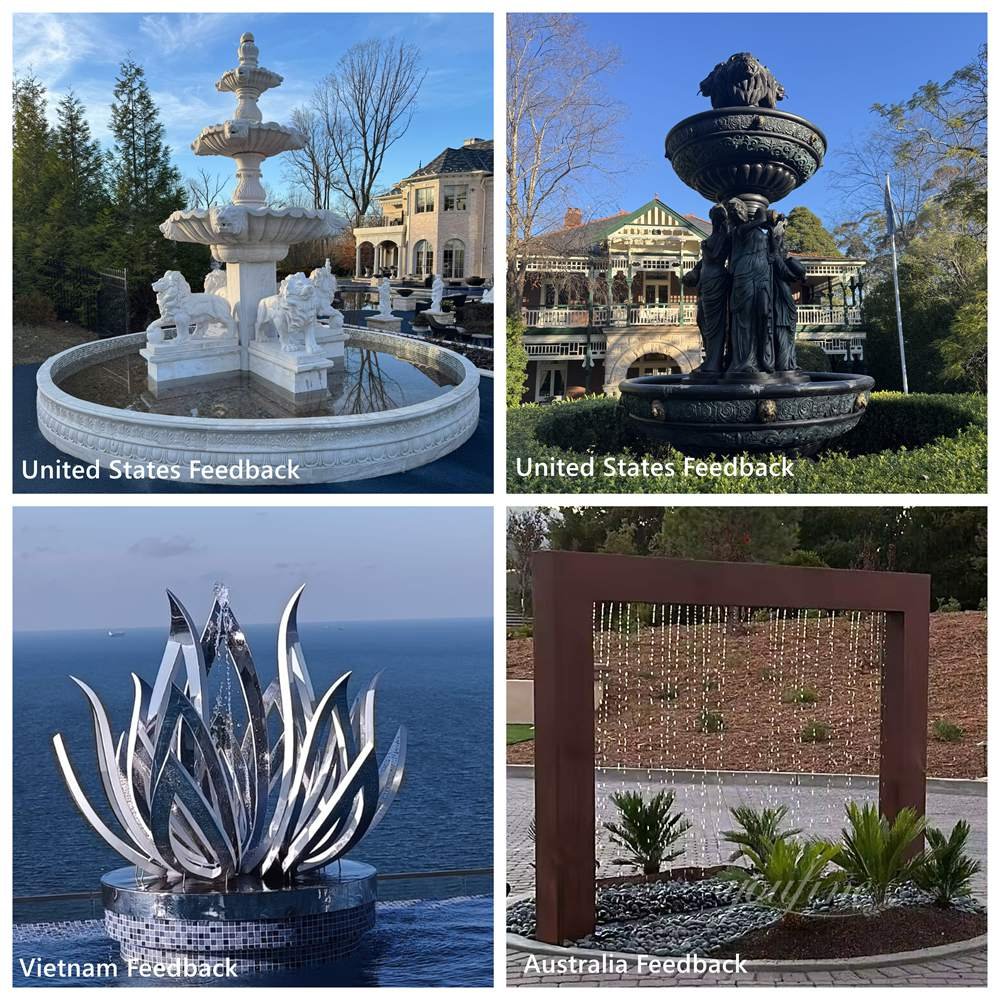
Five Practical Buying Tips to Keep Your Project on Track
Drawing from years of experience crafting and installing custom water features, here are five practical tips to keep your project smooth and worry-free:
- Look at the “Total Cost of Ownership,” Not Just the Initial Price Tag: A budget material that breaks after two or three seasons requires tear-out, removal, and replacement expenses. Investing upfront in genuine, durable materials often proves far more economical over 10 to 20 years.
- Never Use an “Indoor Model” Outdoors: Before ordering, verify that the piece is rated for outdoor UV exposure, moisture, and freeze resistance. Many lightweight decorative fountains marketed for general use quickly degrade in outdoor sunlight.
- Check the Actual Material Thickness & Craftsmanship:
- For Stainless Steel: Look for solid plate thickness (3–4 mm or more) backed by internal structural stiffeners so the surface remains mirror-flat in all seasons.
- For Corten Steel: Confirm that the workshop has completed deep chemical pre-weathering and protective clear sealing before shipment.
- For Cast Bronze: Look for traditional lost-wax precision casting with consistent wall thickness to ensure long-term structural integrity.
- For Marble: Ensure the fountain is carved from genuine, solid blocks of natural stone rather than crushed stone dust bonded with resin.
- Pay Equal Attention to Internal Plumbing & Pumps: The internal water lines, fittings, and recirculating pump should always be brass or stainless steel. Even the most gorgeous fountain will become a headache if cheap internal plastic hoses degrade, corrode, or leak within the structure.
- Work with an Experienced Direct Manufacturer: Every garden has its own unique footprint, ground load capacity, and plumbing connection points. A seasoned manufacturer can provide CAD/3D dimensional drawings, test-run water flow videos before crating, and offer lifelong care and maintenance advice.
Conclusion & Next Steps
Water brings life, motion, and quiet reflection into any landscape, and a fountain serves as the beating heart of that setting.
Ultimately, there is no single “best” material—only the material that best matches your surroundings, climate, budget, and personal taste:
- For French romanticism and timeless elegance, choose Natural Marble.
- For generational permanence and sculptural artistry, choose Cast Bronze.
- For crisp modern energy and effortless cleaning, choose Stainless Steel.
- For earthy organic warmth and zero maintenance, choose Corten Steel.
- For rugged, rock-solid durability in extreme climates, choose Granite.
If you are planning a water feature and would like guidance on sizing, ground load requirements, or material samples, our engineering and design team is always here to help. Feel free to share your space photos and vision with us, and we will gladly provide personalized material recommendations to bring your dream water feature to life.